
Outline:
Understanding the Big Island: A Guide to Avoiding Common Mistakes
The Big Island of Hawaii is a unique and vast destination that offers a wide range of experiences. However, many visitors make common mistakes that can ruin their trip if not addressed properly. From underestimating drive times to ignoring cultural respect, there are several key pitfalls to avoid.
Mistake #1: Thinking “Big Island” is Just a Cute Name
The Big Island is 4,028 square miles, making it larger than all other Hawaiian islands combined. Many families underestimate the drive times between key locations. For example, Kona to Hilo can take anywhere from 1.5 to 3 hours depending on the route. This can lead to long days of driving and missed opportunities for exploration. To avoid this, consider splitting your stay between Kona and Hilo, which cuts daily drive time in half and allows you to enjoy both sides of the island.
Mistake #2: Booking All Your Hotels in One Location
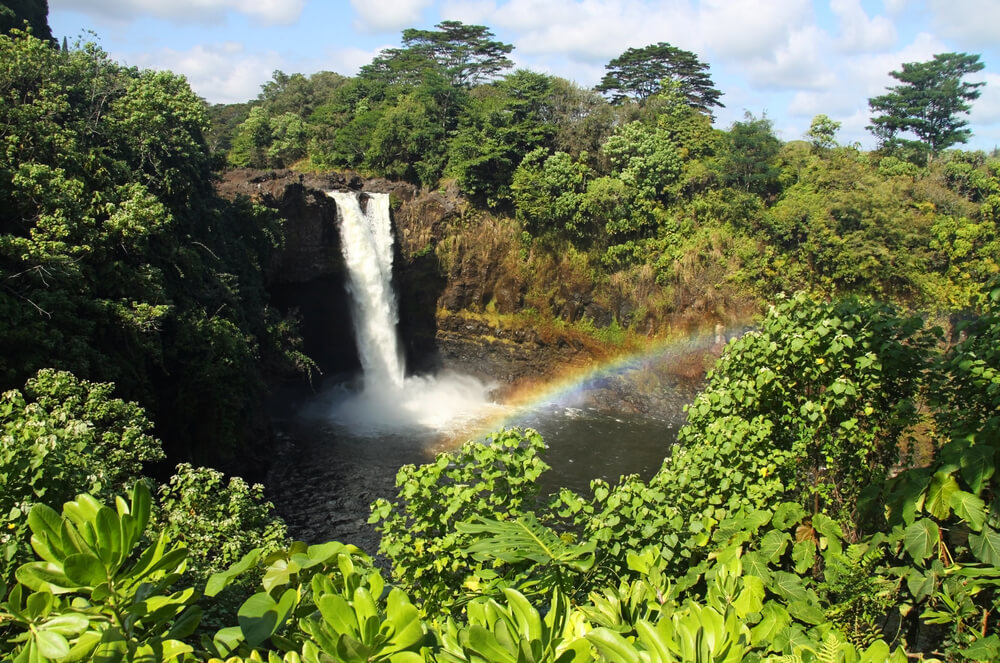
Staying in one location can lead to excessive driving time, especially if you want to explore different parts of the island. Kona and Hilo have distinct climates and attractions. Kona is known for its sunny beaches and resorts, while Hilo offers lush rainforests and waterfalls. By booking hotels in both locations, you can reduce daily travel time and fully experience the island’s diversity.
Mistake #3: Not Understanding What Mauna Kea Actually Requires
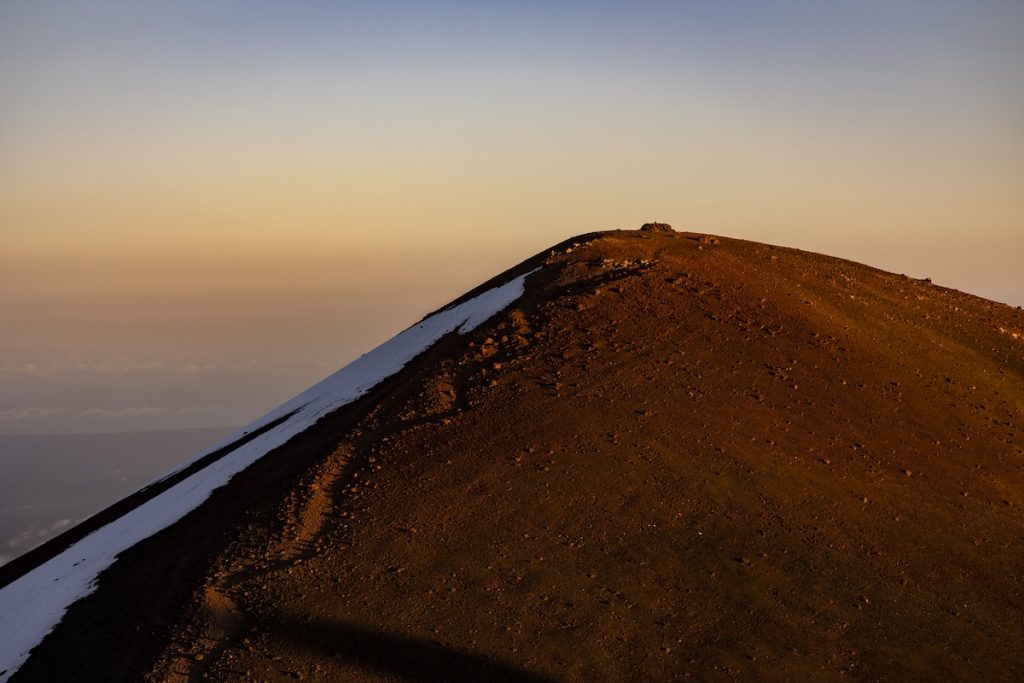
Mauna Kea is not a casual side trip. The summit sits at 13,796 feet above sea level, and the temperature difference between the beach and the summit can be over 60 degrees. Visitors need to prepare for altitude sickness, which can affect children under 13, pregnant women, and those with health conditions. Proper preparation includes acclimating at the Visitor Information Station (VIS) and packing winter gear for the summit.
Mistake #4: Giving Hawaii Volcanoes National Park Two Hours
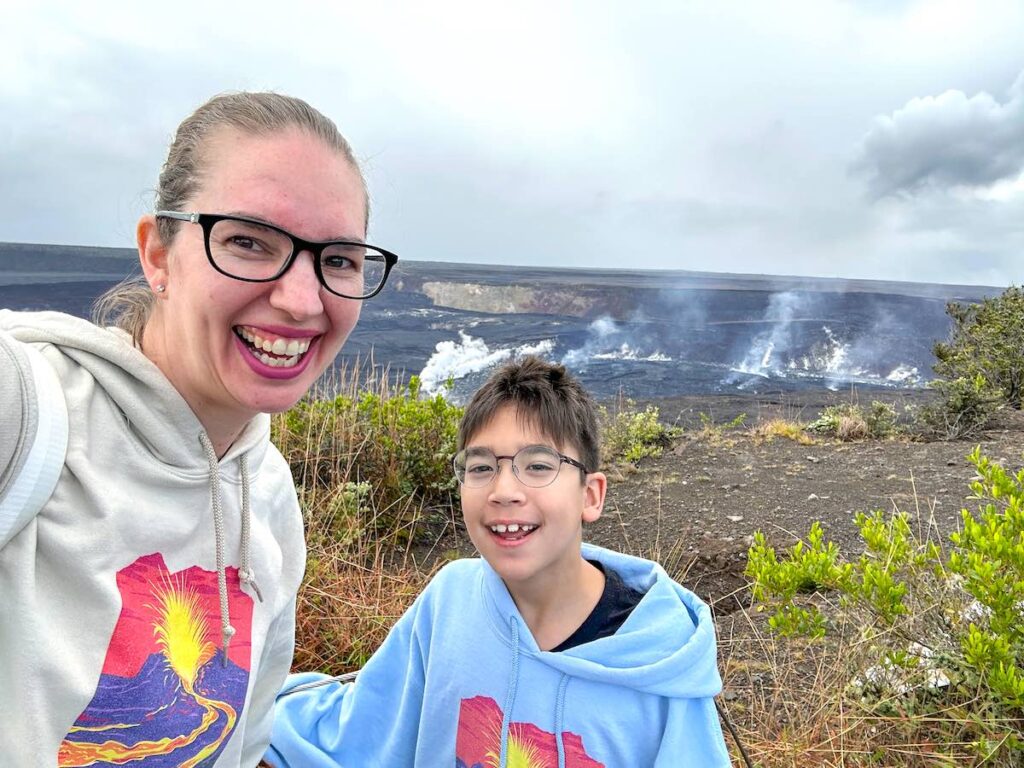
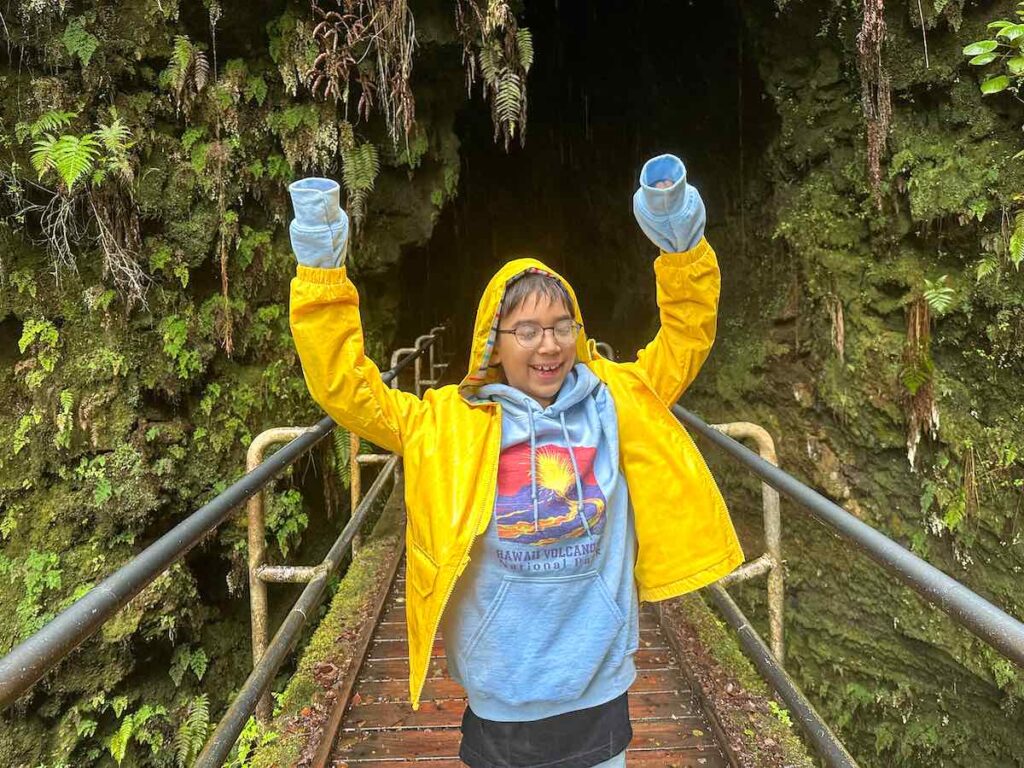
Hawaii Volcanoes National Park covers 335,259 acres and requires a full day to explore. Rushing through the park means missing out on key attractions such as the Kīlauea Iki Trail, Nahuku Lava Tube, and the Halemaʻumaʻu Crater viewpoint. Plan for a full day and bring essentials like water, snacks, and layers for varying temperatures.
Mistake #5: Assuming Every Beach is Safe for Swimming
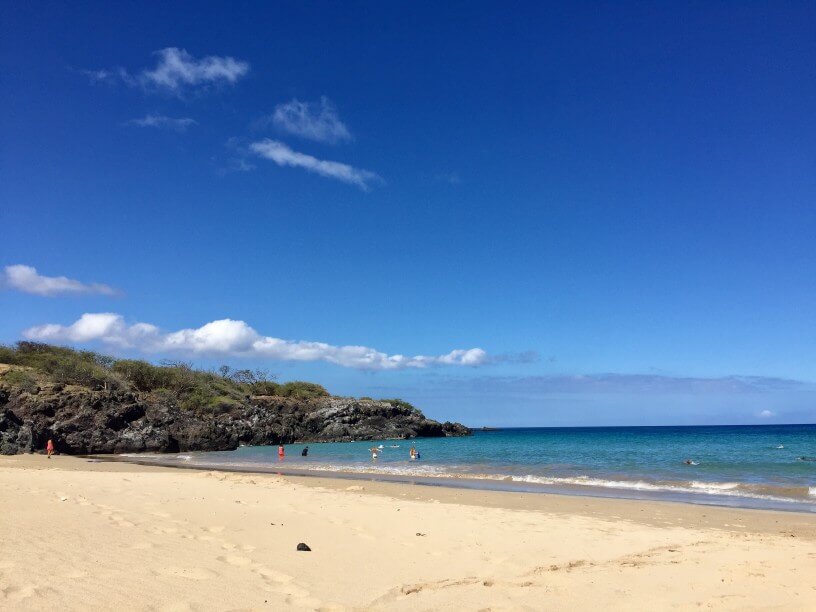
Not all beaches on the Big Island are safe for swimming. Some have strong currents, rough surf, and sharp lava rocks. Always check with lifeguards before entering the water and avoid beaches without lifeguards. Family-friendly beaches with lifeguards include Spencer Beach Park and Kahalu’u Beach Park.
Mistake #6: Accidentally Disrespecting Hawaiian Sacred Sites
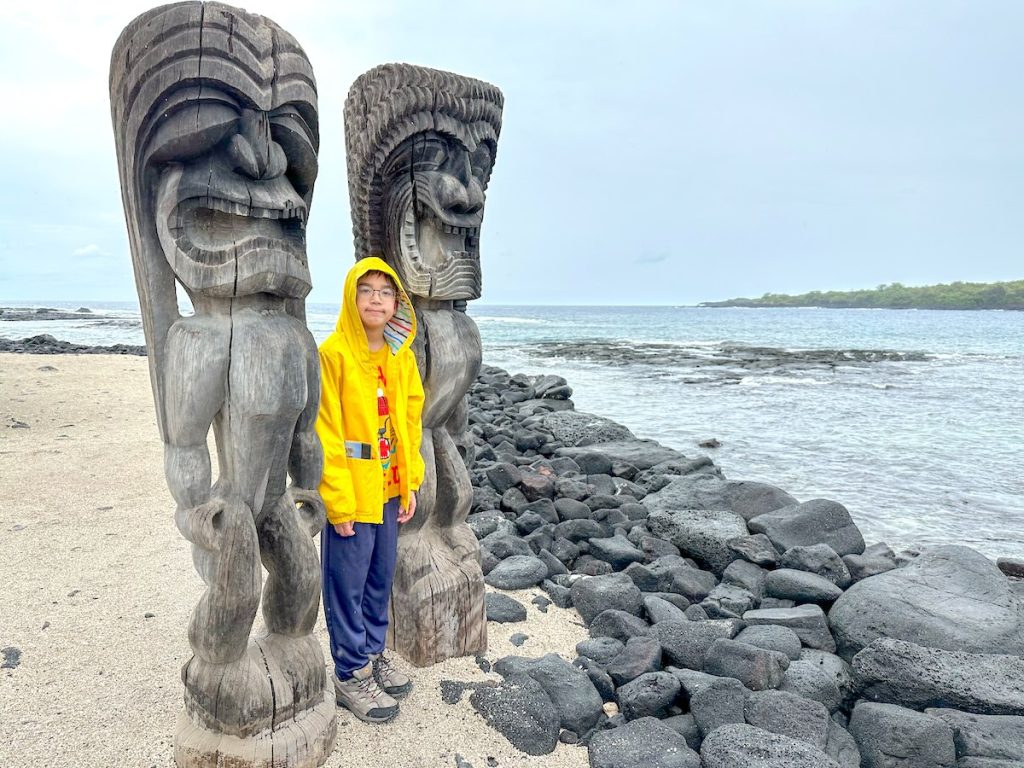
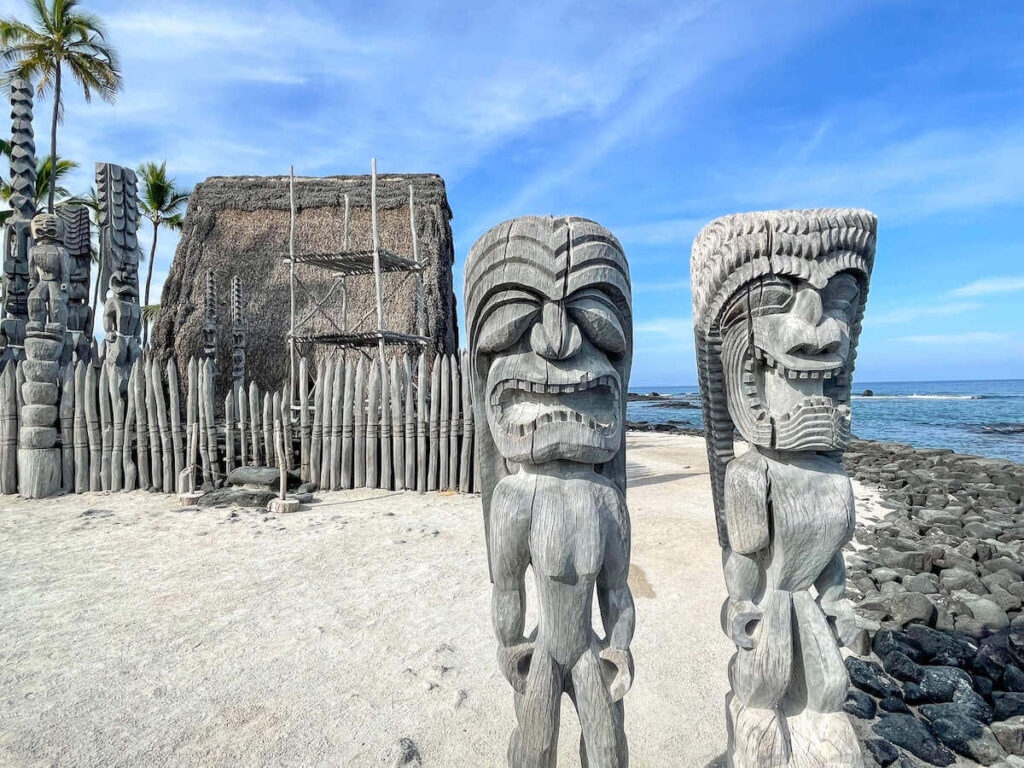
Hawaiian sacred sites like Puʻuhonua o Hōnaunau and heiau require respect. Visitors should stay on marked paths, avoid touching petroglyphs, and refrain from taking lava rocks. These sites hold deep cultural significance and should be treated with care.
Mistake #7: Eating at Chain Restaurants
The Big Island has a rich local food scene with fresh poke, macadamia nut dishes, and Kona coffee. Skip chain restaurants and try local spots like farmers markets and family-run eateries. Local foods such as malasadas and loco moco offer unique flavors and experiences.
Mistake #8: Trying to Cram Everything Into One Day
Overpacking your day leads to stress and exhaustion. A realistic itinerary includes two activities maximum plus meals and downtime. Spread out your activities by region to avoid long drives and maximize enjoyment.
Mistake #9: Packing Only Beach Clothes
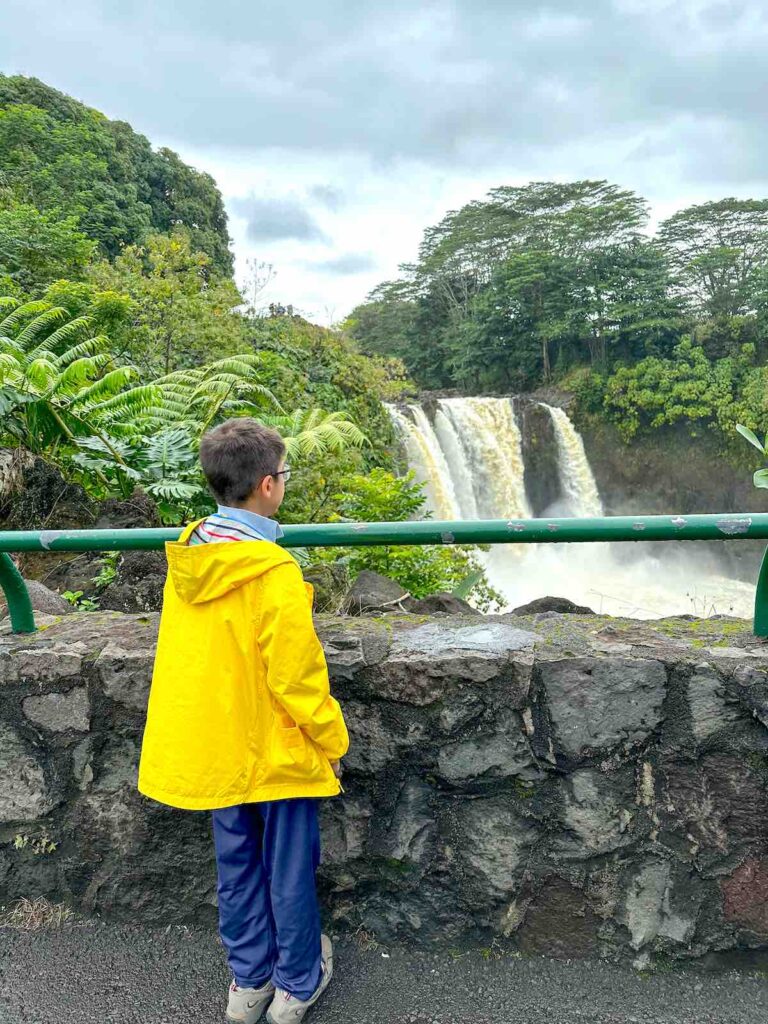
The Big Island has diverse climates, so packing only beach clothes can leave you cold and uncomfortable. Bring layers, a rain jacket, and sturdy shoes for hiking. The temperature difference between Kona and Mauna Kea can be over 60 degrees.
Mistake #10: Missing the Best Snorkeling Because You Didn’t Book Ahead
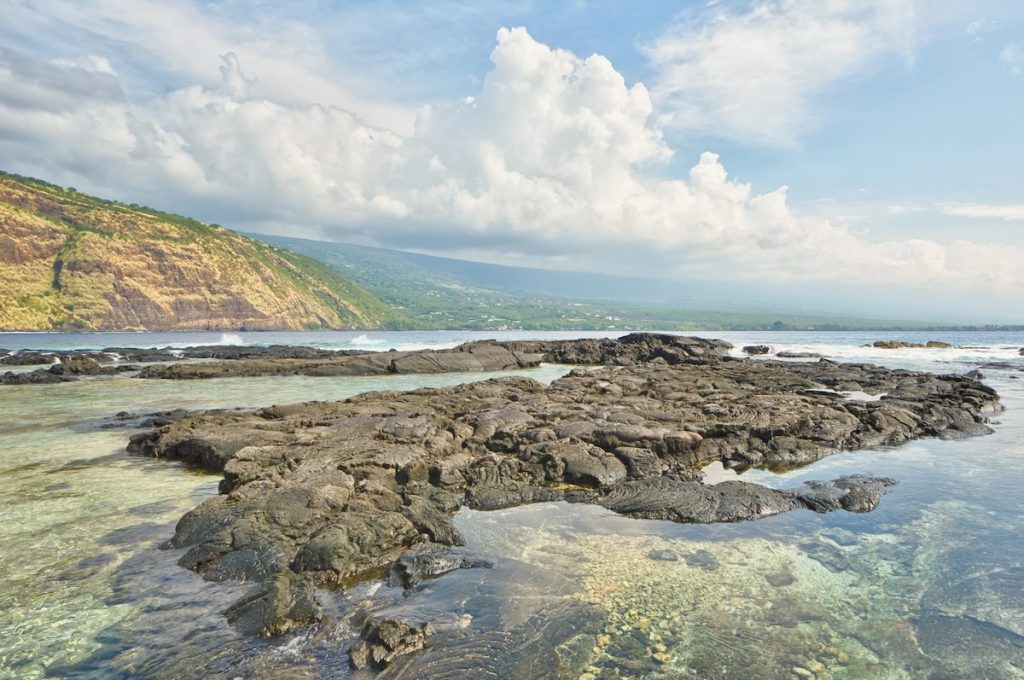
Top snorkeling spots like Kealakekua Bay require advance booking. Boat tours and kayak trips to these areas often book up quickly. Use reef-safe sunscreen and consider renting or buying your own snorkel gear to save money.
Mistake #11: Not Learning About the Island’s Volcanic History
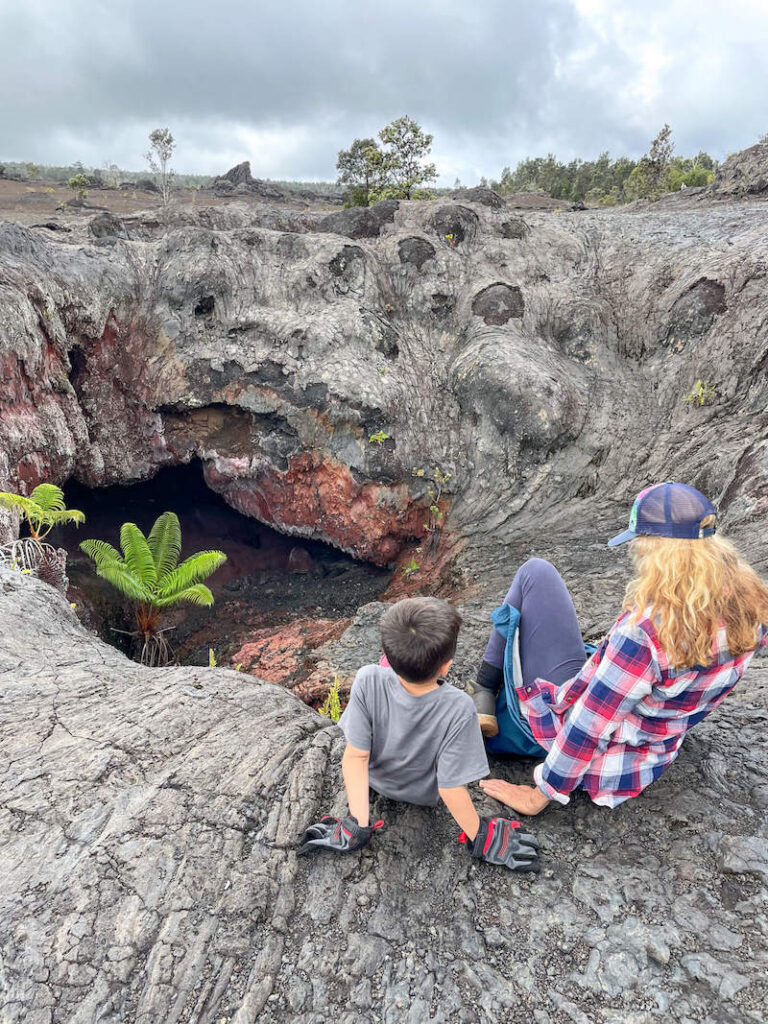
Understanding the volcanic history of the Big Island enhances your travel experience. The island is still being formed by active volcanoes like Kilauea and Mauna Loa. Visit the Kīlauea Visitor Center and the ʻImiloa Astronomy Center to learn about the geological and cultural significance of the area.
Mistake #12: Thinking Everything is Close Together
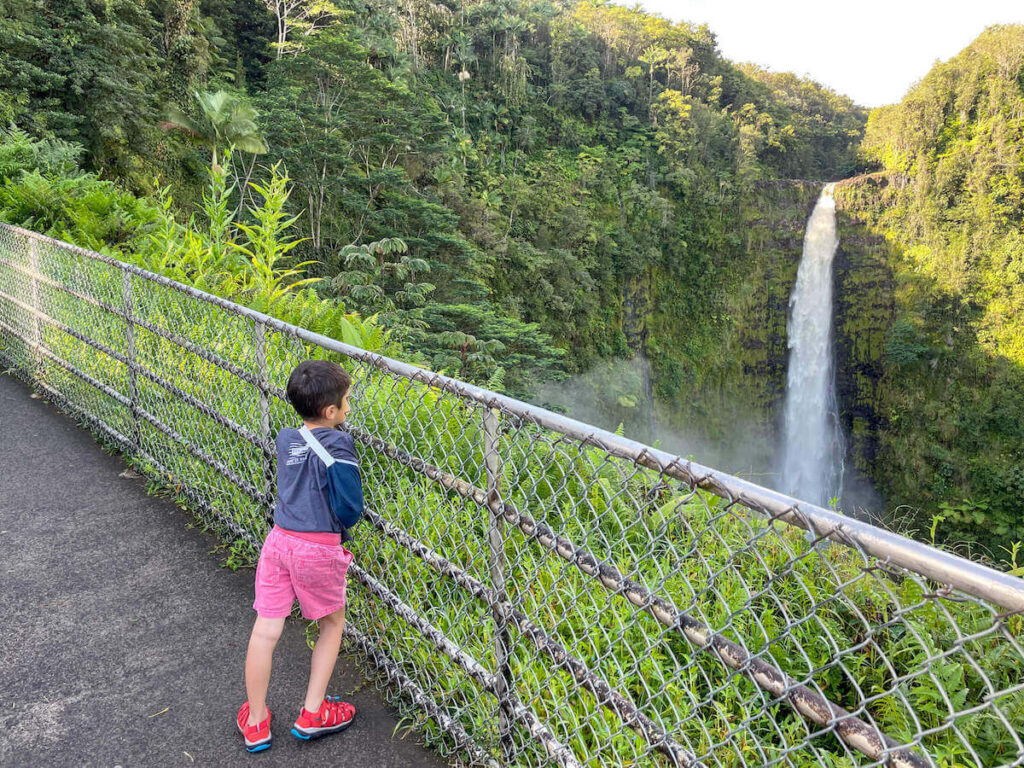
Distances on the Big Island can be deceiving. Kona to Hawaii Volcanoes National Park is 2+ hours, and Hilo to Rainbow Falls is just 10 minutes. Group activities by region to minimize driving time and maximize your time exploring.
Mistake #13: Accidentally Damaging Fragile Ecosystems
The Big Island’s ecosystems are fragile and require careful stewardship. Avoid stepping on coral, feeding wildlife, and using harmful sunscreen. Follow guidelines to protect the environment and preserve the natural beauty of the island.

One More Thing: Read Your Rental Car Agreement
Many rental car companies prohibit driving to Mauna Kea summit or on unpaved roads. Violating these restrictions can void your insurance. Consider booking a Mauna Kea tour if you cannot find a suitable rental.

The Bottom Line
The Big Island is a remarkable destination that rewards slow travel and proper planning. By avoiding these common mistakes, you can ensure a memorable and enjoyable vacation. Take your time, explore responsibly, and embrace the unique beauty of the Big Island.