
Outline:
Behind the great discoveries in the history of science, there are interesting stories about the relationships between scientists and exotic animals. These animals were not only kept as pets, but also became important partners in research. From birds to primates, each animal had an influence on the scientific processes undertaken by famous figures.
In this review, there are five exotic animals that have been kept or used in research by scientists around the world. We will see how the interactions of these scientists with the animals contributed to the development of science. Not only are they fascinating, but they also reveal the human side of the scientific process itself.
1. African Grey Parrot
The African grey parrot is an exotic bird that has been seriously studied by comparative psychologist scientist, Dr. Irene Pepperberg. The bird named Alex became the main subject in research that lasted more than three decades. The main focus of this research is on animal cognition and communication, where Alex demonstrated the ability to verbally recognize colors, shapes, and objects.
These findings challenge the traditional view that birds can only mimic sounds without understanding their meaning. Using a scientific approach, Dr. Pepperberg proved that birds can have complex forms of intelligence. Research on Alex became a turning point in understanding the cognition of non-mammalian animals.
2. Simpense
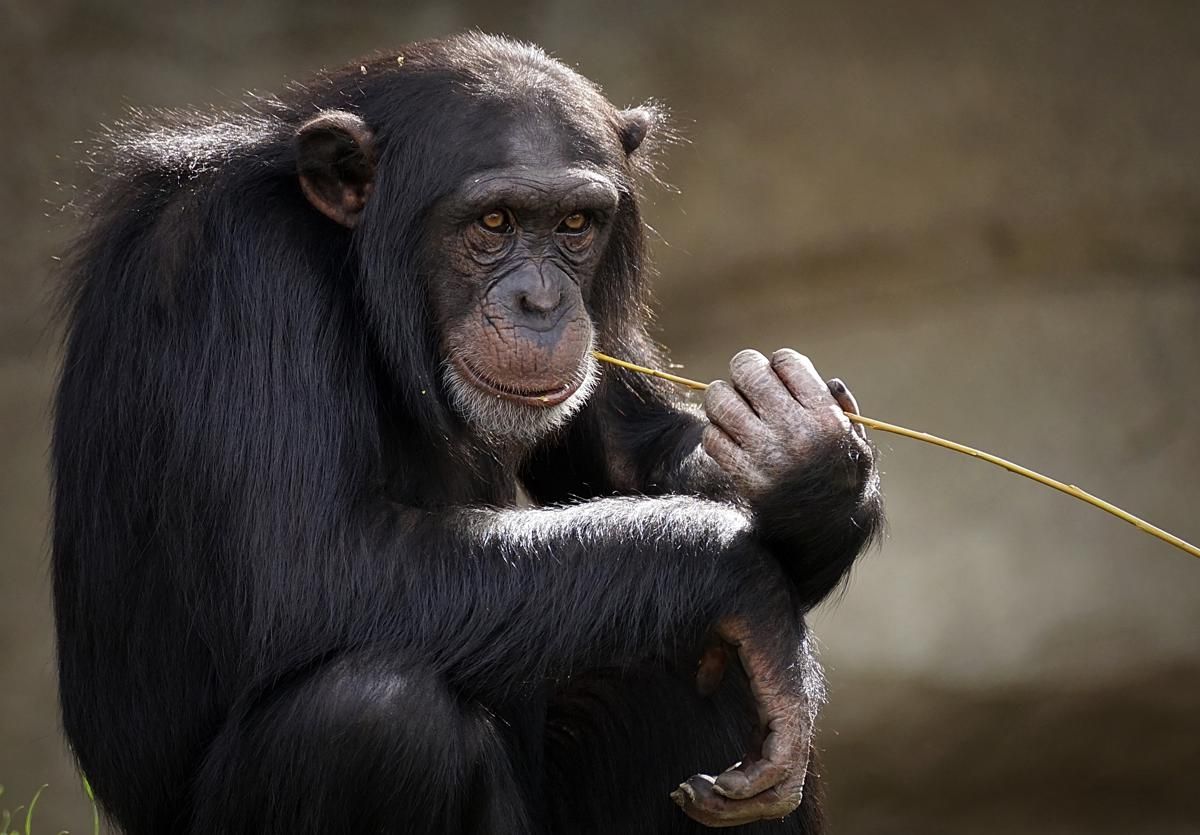
Chimpanzees are the most famous animals in primate research thanks to the work of Dr. Jane Goodall. Since 1960, she has been observing chimpanzees in Gombe, Tanzania, which opened the world’s eyes to the social behavior of these primates. Goodall was the first scientist to document that chimpanzees can use and make tools.
She also found that chimpanzees have a complex social life, hunt together, and show emotions. Her unique approach—giving each chimpanzee a name instead of just a number—enabled her to recognize the personality of each individual. Goodall’s work has revolutionized the way we understand the relationship between humans and primates.
3. Rabbit

Although it may seem ordinary, rabbits once played an important role in the scientific research conducted by Louis Pasteur. In the development of the rabies vaccine, Pasteur used rabbits as model animals to test and develop attenuated viruses. The process involved inoculating the rabies virus into the rabbit’s body and then taking samples from its spinal cord.
From there, he succeeded in creating a vaccine that saved thousands of lives. This success became an important milestone in the world of vaccination and demonstrated how seemingly simple animals can have a significant impact in the medical field. Pasteur’s study reinforces the importance of animal experiments in the development of modern medicine.
4. Pigeon

Charles Darwin is known as a central figure in the theory of evolution, and one of the animals that greatly helped him in formulating this theory was the pigeon. Darwin kept and bred various types of pigeons to observe how certain traits could be inherited through artificial selection.
She noted that although domestic pigeons have a very diverse shape and color, they all come from the same wild species, the Rock Pigeon. This observation provides strong evidence that variation within a species can occur gradually. In her bookOn the Origin of Species, Darwin even made pigeons the main case study in his initial discussion.
5. Brown Bear
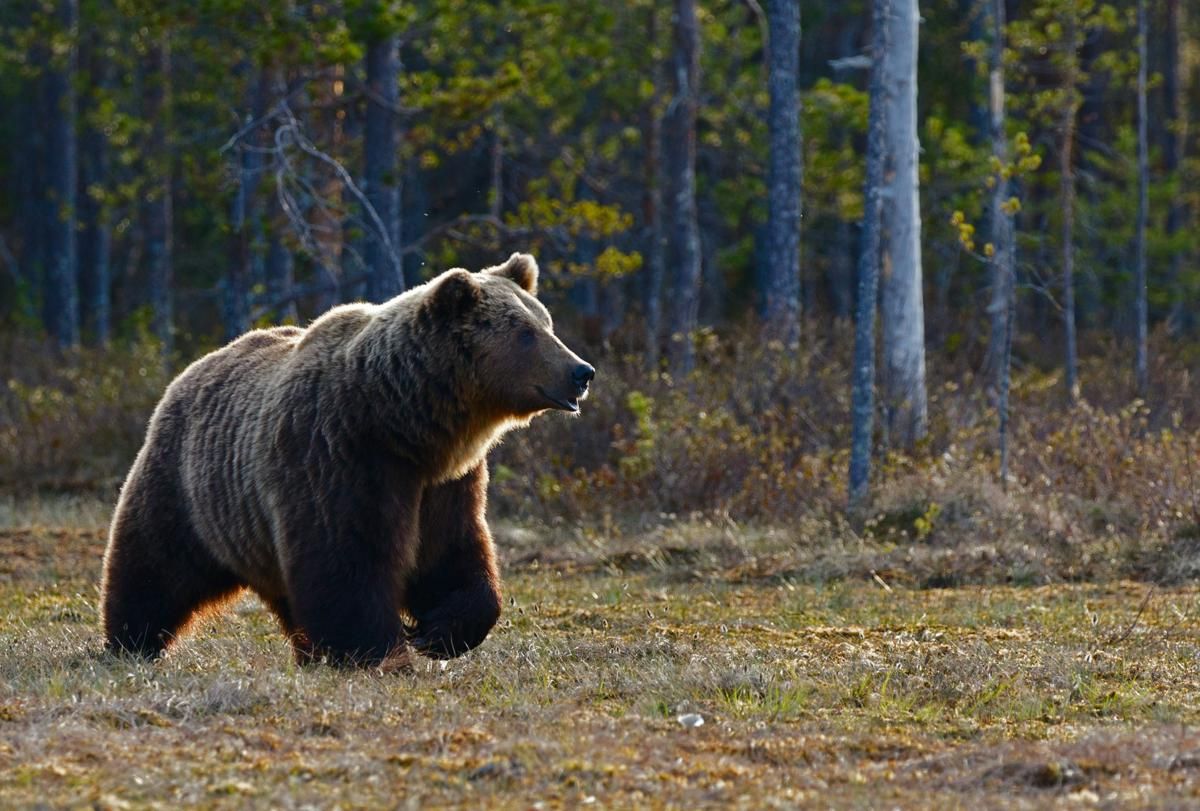
Brown bears were one of the animals kept by Carl Hagenbeck, a German zoologist. Hagenbeck was known as a pioneer in the design of modern zoos that used open enclosures without bars. He kept various exotic animals, including brown bears, in his Tierpark in Hamburg for exhibition and scientific study.
Its revolutionary concept allows visitors to see animals in conditions resembling their natural habitats, and provides space for observing their natural behavior. These bears are not just objects of display, but also part of Hagenbeck’s scientific approach in recognizing the needs and behavior of wild animals.
The five exotic animals ever kept by scientists around the world prove that the relationship between humans and animals can become an important bridge in scientific achievements. From birds to large mammals, each animal plays a unique role in experiments, observations, and the development of theories that now form the basis of modern science.
6 Unique Facts about the Sun Bear, Its Tongue Is Very Long to Eat Honey The Honey Bear, the Cute Forest Guardian and the Mascot of Balikpapan