
Outline:
Exploring Strategic Possibilities in Chaos Zero Nightmare
Roguelite deckbuilders like Chaos Zero Nightmare are designed to be accessible, allowing new players to quickly get into the game and start playing. However, once players settle into a preferred playstyle, it can be challenging to explore all the possibilities that the game has to offer. While it’s true that sticking with what works is often a good approach, there’s a lot to gain from experimenting with different strategies. Chaos Zero Nightmare offers many paths to victory, each with its own unique mechanics and potential for creative play.
To help players discover these options, we spoke with the developers behind Chaos Zero Nightmare about their favorite characters, strategies, and the thought process behind their development. This conversation isn’t meant to be an exhaustive guide on how to play the game or the characters mentioned below, but it should provide valuable insights that can help players become more familiar with the range of choices available.
Favorite Characters and Playstyles
We began our discussion by asking the team about some of their favorite characters and the playstyles they enable. They highlighted two characters: Haru and Nia, each representing very different strategies.
Haru – Simple Strategy, Consistent Results
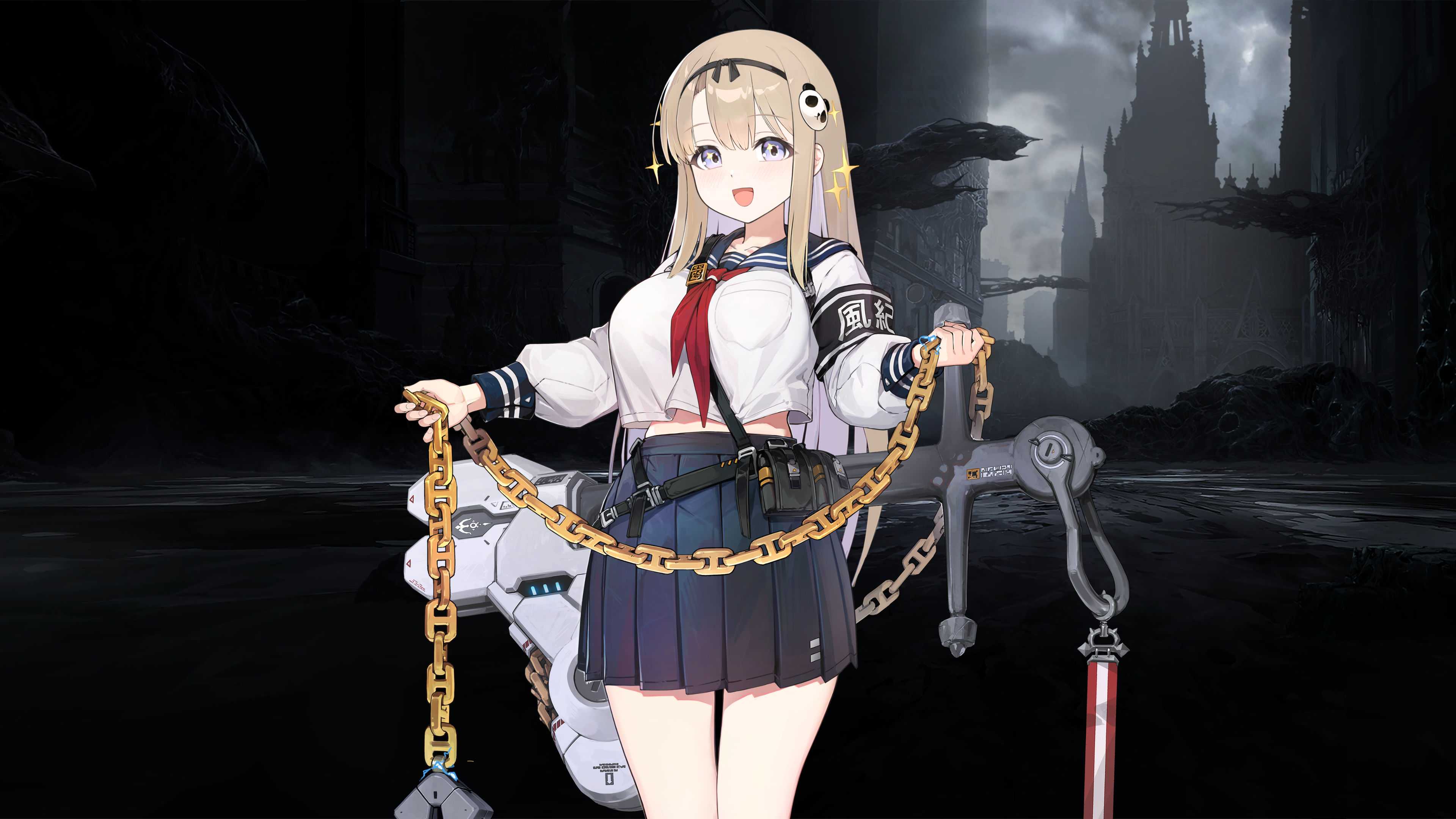
Haru is one of the characters where conceptual intent and gameplay mechanics come together most cohesively. Her core concept—casting an anchor and pulling it back—is elegantly realized through mechanics centered on card movement and repeated use. From a gameplay perspective, she offers a very clear and satisfying experience. Without relying on complex conditions, simply reusing a single card delivers immediate and reliable damage returns. That sense of clarity and impact is what makes her particularly enjoyable to play.
Nia – Take Control Early for a Big Payoff Later
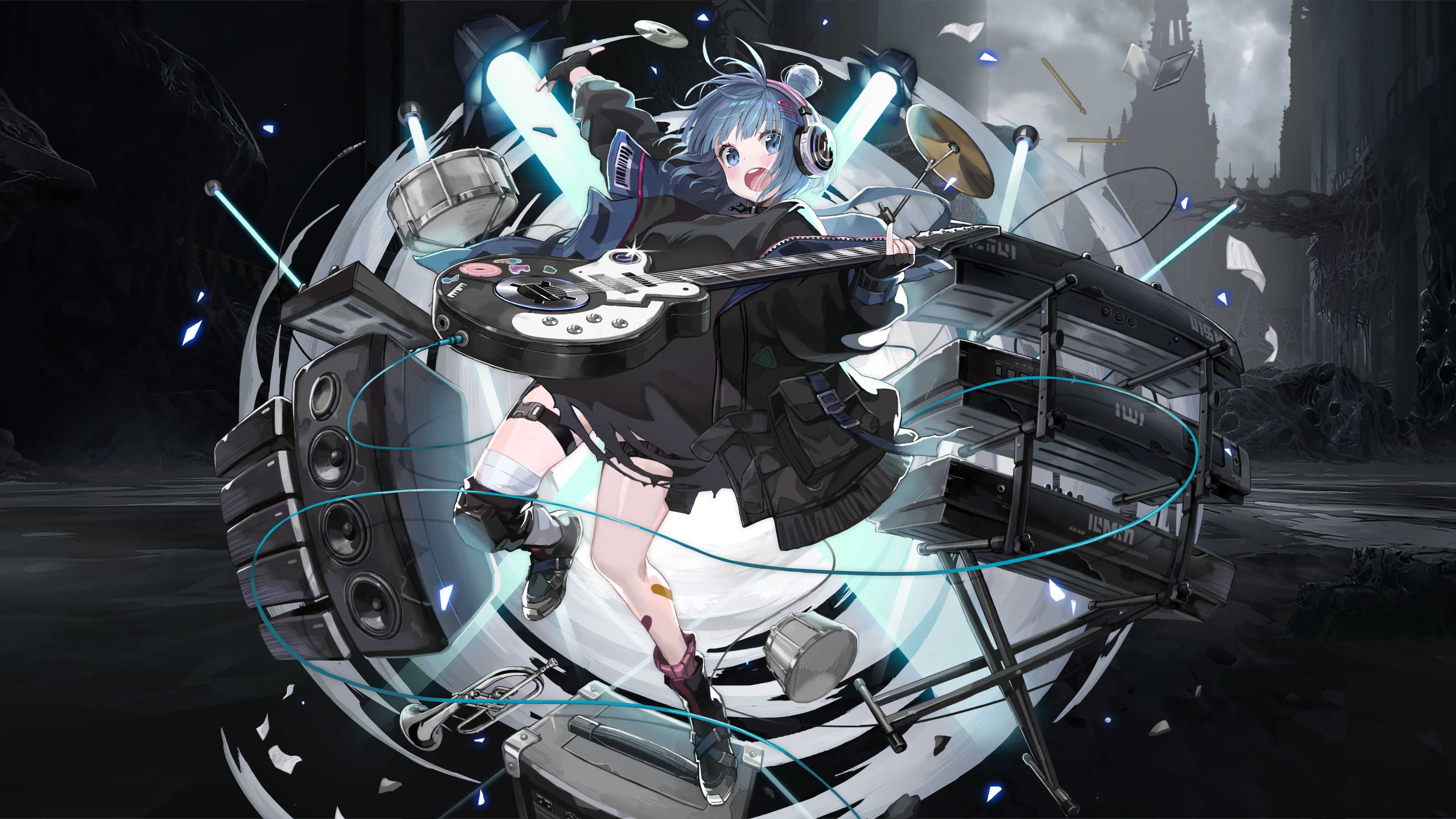
Nia excels at deck control, with abilities that revolve around drawing and discarding cards, manipulating the top of the deck, and forcing card activations. What stands out most is how she allows players to actively control or create variables during a run, enabling a highly strategic and deliberate style of play. This level of agency is what makes Nia a personal favorite for the team.
Based on the developer’s comments, it seems that Haru is meant to be a straightforward character that doesn’t require a lot of setup on the part of the player. In other words, she’s a solid pick for those who just want to dive right in and play. Nia, on the other hand, offers a bit more strategic depth, the kind of character that rewards players who think a few turns ahead.
Recommended Combos and Strategies
We asked the developers what skills of hers they like most and what kinds of plays they like pulling off with her. One of their favorites is Nia’s Ego Skill “Rock’n’Roll.” The effect of discarding all drawn cards can be quite hard to use when your deck isn’t properly set up yet, but once you’ve built things up, it becomes a very strategic skill with explosive potential.
For a recommended combo, we’d suggest the pairing with Renoa that many players are already using. If you first generate plenty of “Requiem Bullet” cards into your draw pile and then activate Nia’s “Rock’n’Roll,” you can experience a play pattern where all that stacked damage detonates in a single moment.
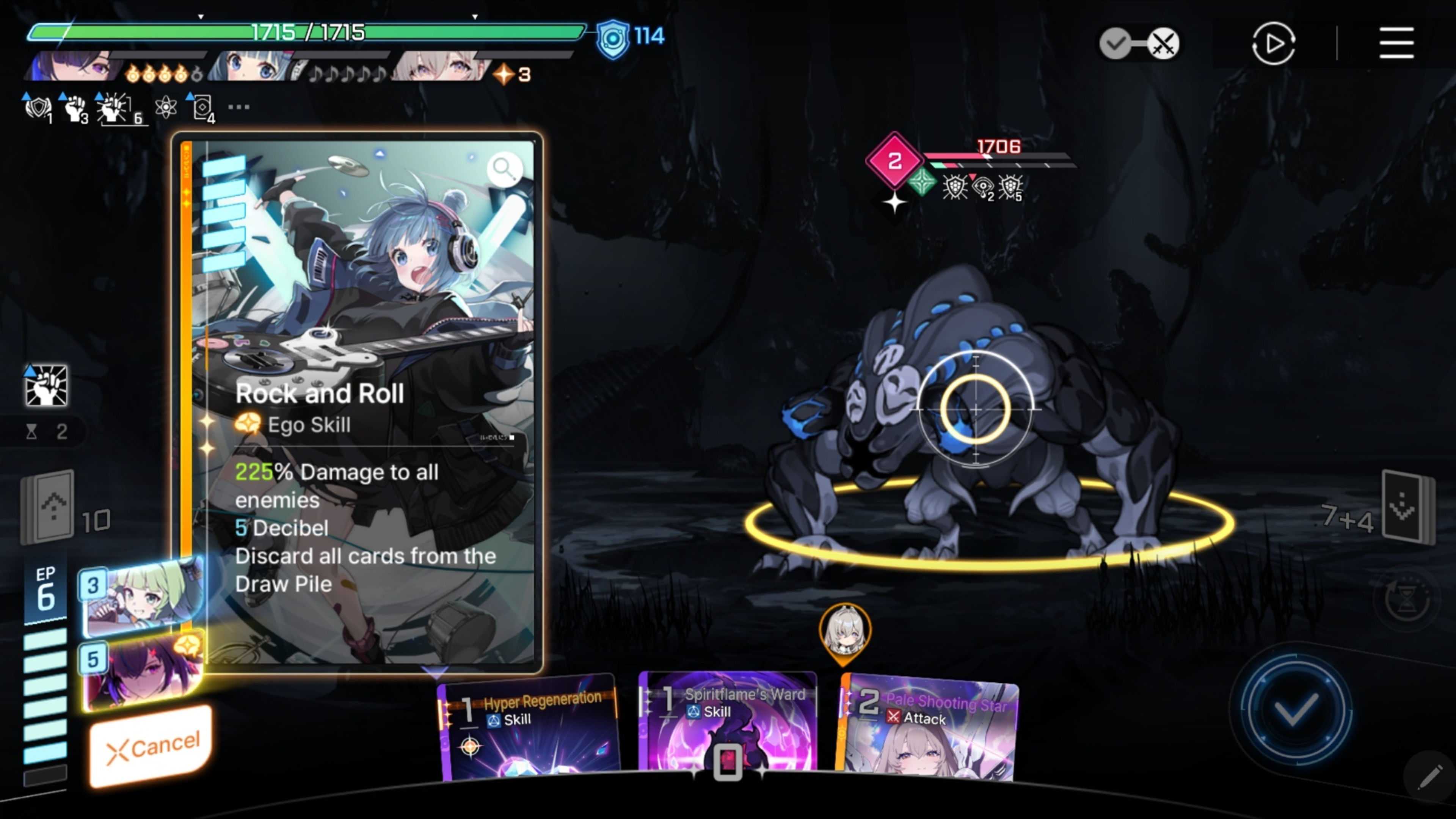
This is apparently just one of many possible combinations that putting Nia on the squad can accomplish. The team at Smilegate stated that they have roles and play patterns in mind from the very start of each character’s development, gradually and progressively iterating until they’re satisfied with the character’s performance and usability.
Development Process and Iteration
In general, the team starts by clearly defining each character’s specific role and core play pattern before moving into detailed design. That said, the initial concept almost never becomes the final version as-is. They begin testing from a very early stage, even with just the basic set of eight starter cards, to see if the overall direction feels right, and then they gradually layer system elements like “Inspiration,” “Potential,” and “Ego Manifestation” on top of that skeleton. Throughout this process, they keep iterating, validating, and fine-tuning so they can steadily raise the overall level of polish.
Chaos Zero Nightmare has over 25 characters right now, so this is only scratching the surface of what players can do in terms of party composition, combos, and deckbuilding. However, it should be enough for one to start thinking up new and creative improvements for their own builds. It’s just a matter of giving Haru, Nia, or any of the other characters a try and seeing how their abilities interact with everything. Perhaps you’ll figure out something that not even the developers have considered. So why not go ahead and give it a try?