
Outline:
History is not solely shaped by major events. Occasionally, it stems from a 15-minute discussion or an unexpected meeting between two individuals. A subtle train trip at the start of the 1940s marked the beginning of modern molecular medicine. A casual exchange between two scientists regarding an intriguing, yet at that time little-known, finding in sickle-cell anemia initiated a research project that would revolutionize medical science. This train journey exemplifies not only how a single moment of discovery can alter the direction of medical research, but also the role of chance and its connection to curiosity, understanding, and readiness.
A Simple Train Ride
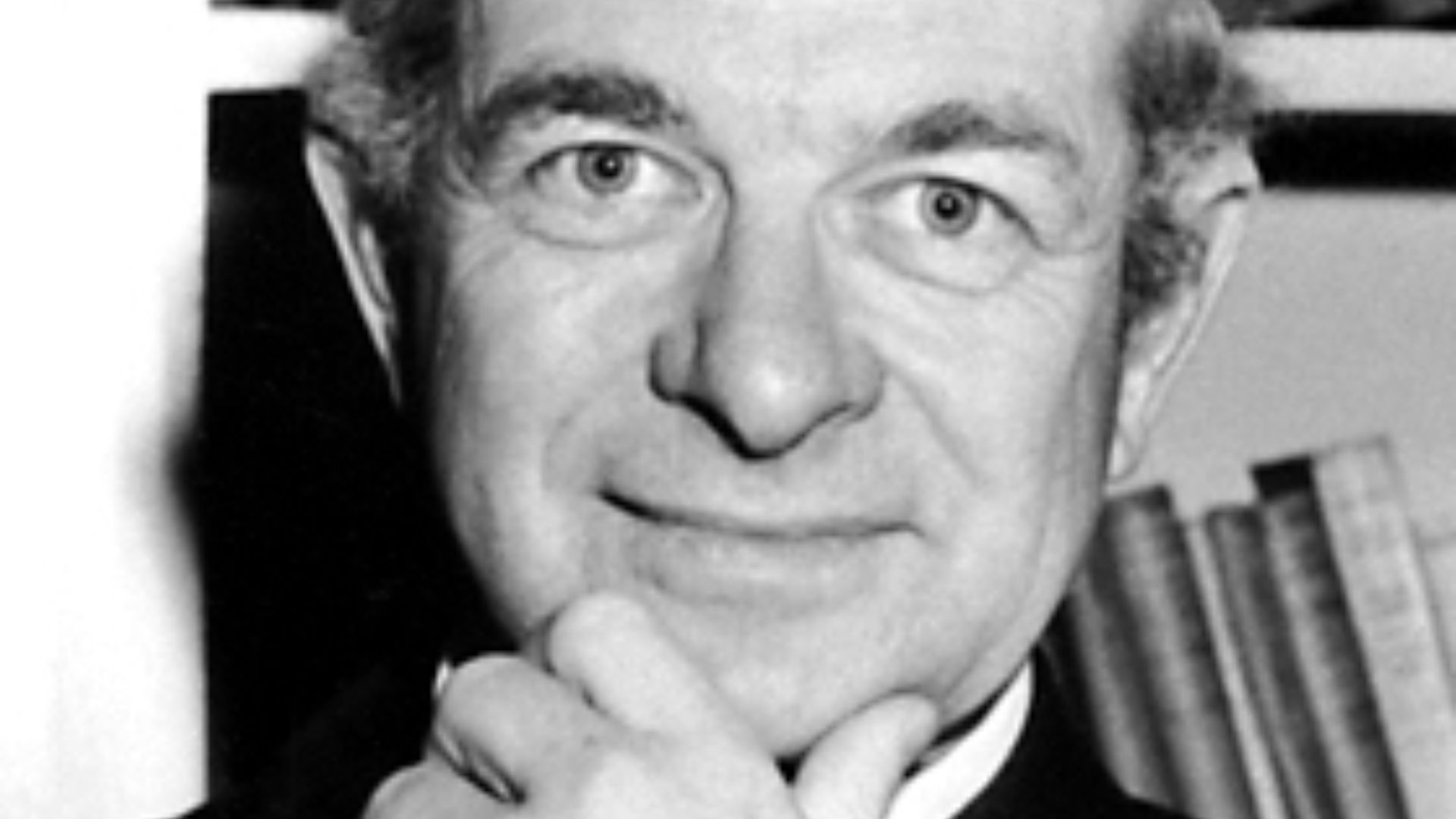
The narrative begins with Linus Pauling, a chemist who was recognized by his colleagues as one of the most significant scientists of the 20th century and a pioneer in molecular biology. Throughout his career, Pauling focused on researching proteins and their structures, yet his next breakthrough would not come from strict experimentation, but from a brief discussion on a train. Pauling had a friendship with William Castle, a Harvard professor of medicine, who mentioned an old finding made by a Johns Hopkins medical student named Irving Sherman. Sherman observed that when light passed through red blood cells from sickle-cell patients, it behaved differently compared to those from healthy individuals. Sherman documented this observation but did not manage to highlight its significance.
Castle shared the observation with Pauling during their train ride. Pauling, known for his curiosity and interest in medical issues, recognized its significance. After some consideration, he became convinced that the difference lay in hemoglobin, the protein responsible for carrying oxygen in the blood. He decided to test his hypothesis by using electrophoresis on the hemoglobin of healthy individuals, sickle-cell patients, and those who carried the sickle-cell trait. Electrophoresis is a technique that separates molecules based on their physical structure as they move through a gel. Pauling discovered that the hemoglobin from sickle-cell patients had a different structure compared to the normal one, while carriers had both types. This casual discussion on a train would eventually lead to the 1949 paper, “Sickle Cell Anemia, a Molecular Disease,” which is now regarded as the start of molecular medicine.
A Scientific Revolution

The importance of Pauling’s discovery is immeasurable. By identifying the cause of sickle-cell anemia as an abnormal protein, he uncovered the first case of a human illness directly linked to a molecular flaw. This paved the way for molecular medicine, which explores the molecular and cellular basis of diseases to develop accurate diagnostic methods and specific treatments. The train journey, a fleeting and ordinary occurrence, highlights how chance can lead to significant scientific breakthroughs when paired with knowledge and skill.
Pauling’s contributions also highlighted the importance of teamwork and sharing information. If Castle had not shared details about Sherman’s work, or if Pauling lacked his deep understanding of protein chemistry, the link between the two proteins might never have been established. This small event demonstrates a larger idea that scientific advancements are frequently dependent on communication networks and observations, as well as individual experimentation. The effects of that unexpected discussion still influence current research on genetic conditions, treatments based on proteins, and tailored medical approaches.
A spontaneous comment heard during a train ride altered the perspective on how illnesses impact human well-being. Linus Pauling managed to utilize the piece of information obtained by chance, enhance it using his own insight and interest, and combine it with the studies of other researchers to develop the principles and foundation of molecular medicine.