
Outline:
Geologists in central China have discreetly verified a significant gold find that ranks among the most substantial ever recorded. The discovery is located at the Wangu goldfield in Hunan Province, where deep drilling uncovered an estimated reserve surpassing 1,000 metric tons. Initially, the figure may seem like a distant number, but it gains significance when connected to contemporary exploration techniques and confirmed sampling.
Hunan Province has long been known for its intricate geological formations, so the discovery was not made on unexplored land. Rather, it came from sophisticated drilling initiatives that extended well beyond previous boundaries. As these drills reached depths close to 2,000 meters, they encountered thick clusters of gold-containing veins. With every core sample retrieved from the surface, belief in the deposit’s potential increased.
At the same time, early confirmation of almost 300 metric tons in shallower layers provided more insight into what is to come. This confirmed section offers planners a clear foundation for long-term assessment. As further drilling progresses, focus remains on how extensive the mineral system is and how regularly gold is found throughout it.
Confirmed and Estimated Gold Reserves at Wangu

Initial drilling at the Wangu goldfield has already shown a distinct difference between verified gold reserves and estimated totals. Ongoing drilling has confirmed approximately 300 metric tons in the upper parts of the deposit. This verification was obtained through physical core samples extracted directly from the rock. With these findings, planners now have a solid baseline. This baseline then helps support more extensive projections related to deeper areas that are still being assessed.
In addition to the confirmed layer, geological models suggest that total resources may surpass 1,000 metric tons. These projections are based on factors such as drilling density, the continuity of veins, and the structural patterns identified underground. As additional data is incorporated into the model, the estimated volume becomes more precise. This ongoing improvement ensures that expectations remain grounded in tangible data rather than assumptions. Confidence increases over time as each new drill hole supports previously observed trends.
The distinction between verified and projected resources influences each subsequent step. Verified gold aids in initial planning and technical assessment. Projected quantities broaden the perspective and shape long-term analysis. These numbers together form a dynamic representation that keeps changing as drilling progresses across different depths and directions.
The Engineering and Financial Challenges of Mining Gold at Extreme Depths

Mining operations at Wangu focus on depth as drilling has now reached approximately 2,000 meters beneath the surface. At this point, rock pressure intensifies, and temperatures continue to rise. With increasing depth, ventilation systems need to circulate more air over longer distances. This necessity directly impacts energy consumption and the design of machinery. As the infrastructure extends deeper, each meter adds greater complexity to the construction process.
As mining operations go deeper, energy consumption increases because both ore and waste materials have to be transported over longer distances to the surface. The need for hoisting also rises, leading to higher electricity usage. This demand also applies to cooling systems that are necessary to control underground temperatures. With more systems running simultaneously, operational expenses steadily rise. These rising costs influence how engineers assess mine designs and production levels.
Cost modeling also relies on the thickness and continuity of the vein as seen during drilling. As engineers examine core data, they identify areas that allow for effective extraction routes. These routes impact where shafts are placed and how tunnels are spaced. As designs change, cost estimates change accordingly. This ongoing adjustment ensures that engineering choices remain in line with actual underground conditions.
What’s Next for the Wangu Goldfield
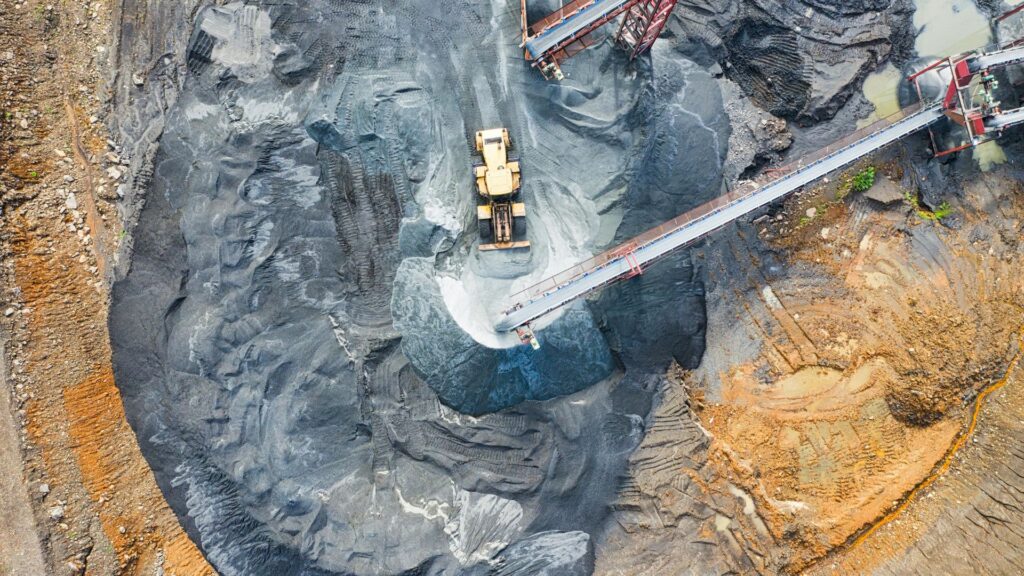
The focus now shifts to the regulatory and technical steps that lie ahead. Prior to initiating large-scale mining operations, officials need to examine environmental evaluations related to water consumption, land integrity, and waste management. As these evaluations continue, the duration required for obtaining permits will determine the pace of underground activities. This procedure typically occurs alongside more extensive drilling, enabling the gathering of data to proceed while approvals are being processed.
At the same time, exploration teams are anticipated to broaden their attention past the existing drilling grid. Regional surveys near Wangu might grow as geologists examine adjacent structures connected to the same mineral system. With better mapping, nearby prospects could move into initial drilling phases. This wider initiative may alter how the region is viewed within long-term production strategies throughout Hunan Province.
Analysts are also monitoring how the discovery affects gold supply strategies within China. With local production being closely watched, reserve management choices might be based on exploration findings instead of immediate price changes. As technical research advances, this connection between geology, policy, and output will keep developing.