
Outline:
The Evolution of Today’s Students: A Teacher’s Perspective
The world is constantly changing, and with it, so are people. However, since the process is gradual, it’s difficult to see the results unless you zoom out and look at a broader period. Reddit user Vinnymacaroni made a post on the platform, asking teachers to share all the differences they notice in today’s children compared to when they started working. Their thread has hundreds of answers, with educators sharing their personal thoughts on the matter.
Positive Changes in Students
#1: Increased Kindness and Acceptance
One teacher with 28 years of experience noted that kids are more kind now than they were in the 90s. They are accepting of kids of different races, gender identities, and intellectual differences. This level of acceptance is something that many educators find encouraging.
#2: Access to English
As an English (as a foreign language) teacher, another educator shared that the internet and mobile devices have made English accessible for everyone. Even in countries like Egypt, where parents may not speak English, their kids have a great base level just from playing on their phones.
Challenges Faced by Educators
#3: Entitlement
Many teachers reported that students today exhibit a sense of entitlement, not just regarding phones but also other aspects of life.
#4: Decreased Attention Span
Another teacher noted that attention spans have decreased significantly. There is also dependency on spell check and poor handwriting, along with a lack of accountability or behavioral consequences.
#5: Parental Involvement
Parents today seem less involved in their children’s education. One teacher recounted a situation where a parent believed their child had submitted all assignments, despite the child having 10 missing ones.
#6: Lack of Support from Administration
Teachers have noticed that school administrators are less supportive. When a student mouths off, the teacher is often the one punished rather than the student.
#7: Behavioral Issues
Classrooms today have more behavior problems. While there used to be 1 or 2 difficult kids, now there are 5-7 with behavior issues.
#8: Apathy and Lack of Motivation
Students today show a lack of motivation. One teacher mentioned that even gift bags with goodies are met with disappointment.
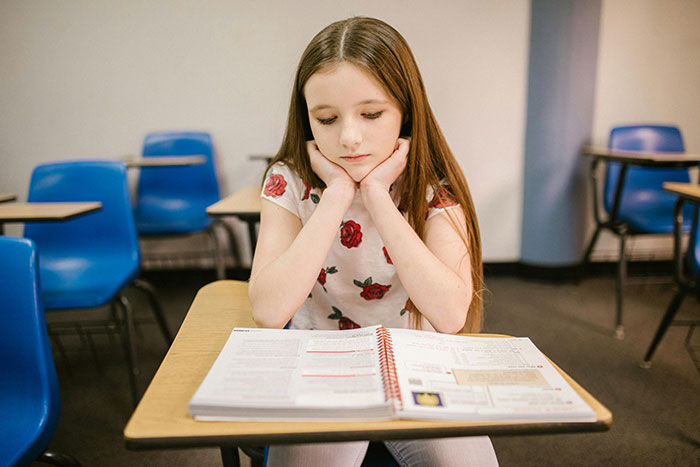
#9: Decline in Reading Habits
Reading for fun seems to be nonexistent. Many students are below grade level, and classroom libraries are often neglected.
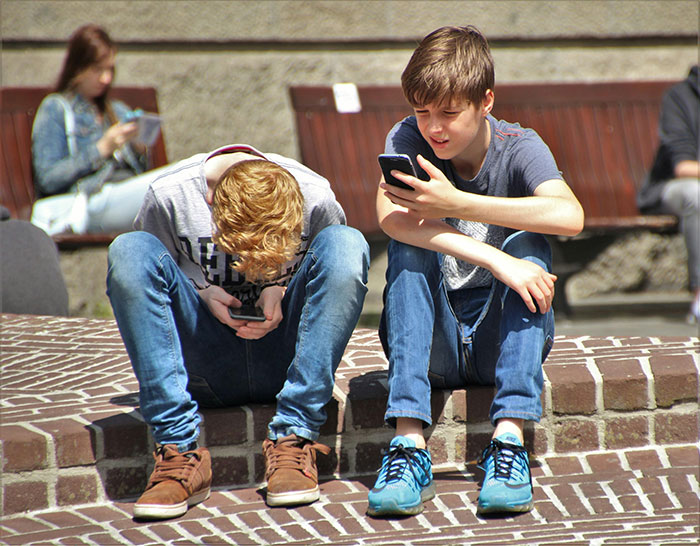
#10: Phone Addiction
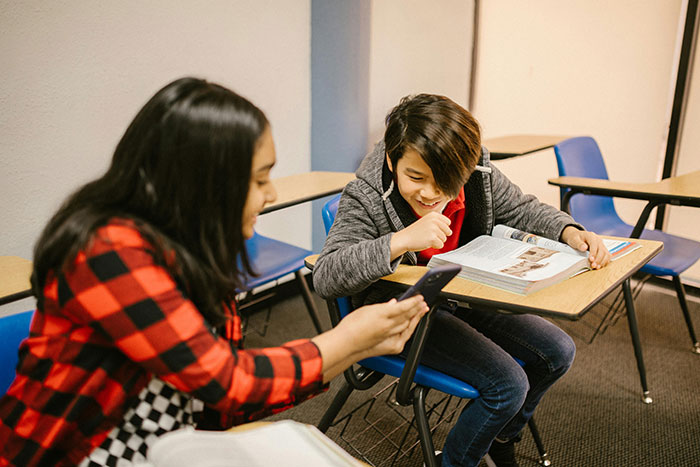
Phone addiction is a major issue, affecting both students and their parents.
#11: Lower Academic Performance
Some teachers have observed a decline in basic math and literacy skills. The bar for interventions has been lowered due to the high demand for support.
© Photo: scfoothills
© Photo: Accomplished-War1971

© Photo: nnndude

© Photo: BeachBumLady70

© Photo: Both-Vacation480

© Photo: Somerset76
© Photo: Ok_Employee_9612
© Photo: ShelJuicebox

© Photo: Xquisitesanity
© Photo: coskibum002

© Photo: Baidar85

© Photo: azemilyann26

© Photo: Pretend_Screen_5207
© Photo: swift-tom-hanks

© Photo: Aggressive-Bit-2335

© Photo: the_owl_syndicate
© Photo: Pretty-Biscotti-5256

© Photo: Ferromagneticfluid

© Photo: TraditionalSteak687

© Photo: BlueberryWaffles99

© Photo: Rhonda369
© Photo: vandajoy
© Photo: Itchy-Philosophy556

© Photo: Jade_Templar
© Photo: Rita22222

© Photo: FoundationFar3053

© Photo: joantheunicorn

© Photo: anon

© Photo: thisisanewaccts

© Photo: eagledog

© Photo: Pothole_Fathomer

© Photo: enigma7x

© Photo: Pretend_Screen_5207
© Photo: Mr_West1812
Additional Observations
#12: Loss of Childhood Development
One teacher noted that children today are growing up too fast. They are physically risk-adverse but comfortable talking to strangers on social media. They prefer screens over real-world interactions and avoid challenges.
#13: Lack of Curiosity
Curiosity is almost non-existent. Students today either want the answer immediately or don’t care about the outcome.
#14: Improved Traits in Some Areas
A teacher from Philadelphia noted that students in the suburbs are smarter, kinder, and more respectful.
#15: Lack of Accountability
Students today rely on adults to solve problems and lack self-accountability.
#16: Social Skills Post-COVID
After the pandemic, there has been a noticeable decline in social skills among young children. They struggle to play or cooperate with others.
#17: Screen Addiction and AI Dependence
Screen addiction is widespread, with students relying on AI for writing and plagiarism. This has led to weaker reading and writing skills.
#18: Disinterest in Learning
Students today find traditional learning methods boring. They prefer instant gratification through their phones.
#19: Lower Academic Performance
Middle schoolers are testing at a much lower level, with some performing at a first-grade level. Parents are also becoming lazier and less involved.
#20: Tech Boundaries
Newer teachers emphasize the need for better tech boundaries for elementary students. They believe kids should not have access to smartphones until high school.
#21: Shift in Maturity and Communication
There has been a shift in maturity levels. Students today lack communication skills and are less able to handle relationships.
#22: Reading Stamina
Reading stamina has declined, making it harder for students to focus on longer texts.
#23: Decline in Fine Motor Skills
Fine motor skills have worsened, affecting tasks like writing and manipulating objects.
#24: Lack of Consequences
Students today have no concept of consequences. They refuse to follow instructions and face little repercussions.
#25: Historical Comparison
A teacher reflected on a video from the 90s, noting that students were more attentive and behaved better.
#26: Resistance to Authority
Students today are belligerent when asked to hand over their phones. Some even destroy property and scare the class.
#27: Fine Motor Skills in Arts
In instrumental music classes, students struggle with fine motor skills, making it hard for them to manipulate instruments.
#28: Lack of Independence
Students today lack independence and are not motivated to tackle difficult tasks.
#29: Absence of Hobbies
Hobbies have been replaced by phone use. Students view screen time as their main activity.
#30: Mental Age vs. Chronological Age
Many middle schoolers have a mental age that matches their reading level, indicating a gap in cognitive development.
#31: Attention Span and Respect
Attention spans are shorter, and respect for authority has declined. Students today challenge teachers more frequently.
#32: Impact of COVID on Motor Skills
The pandemic has affected fine motor skills, making it harder for students to perform tasks requiring dexterity.
#33: Rudeness and Lack of Engagement
Students today are rude and disengaged, showing little interest in learning or interacting with others.
#34: Quality of Students
A teacher noted a significant difference in student quality between schools. Students in certain areas lack the drive and intelligence seen in others.
#35: Reduced Help-Seeking Behavior
Students today seek less help before assessments. They rarely ask questions or seek extra assistance.
#36: Lack of Curiosity and Parental Beliefs
Curiosity is low, and some parents believe family vacations are as valuable as school time.
#37: Low Participation in Extracurriculars
High school students are less interested in joining clubs or participating in extracurricular activities.