
Outline:
The Art of Ghibli: A Deep Dive into Storytelling and Emotion
Studio Ghibli has long been celebrated for its stunning animation, but what truly sets their films apart is the quality of their writing. While the visual artistry captures attention, it is the stories that leave a lasting impression. Ghibli scripts are known for their emotional depth, nuanced characters, and thoughtful exploration of complex themes.
Ponyo Is a Cozy Story That Runs on Emotion
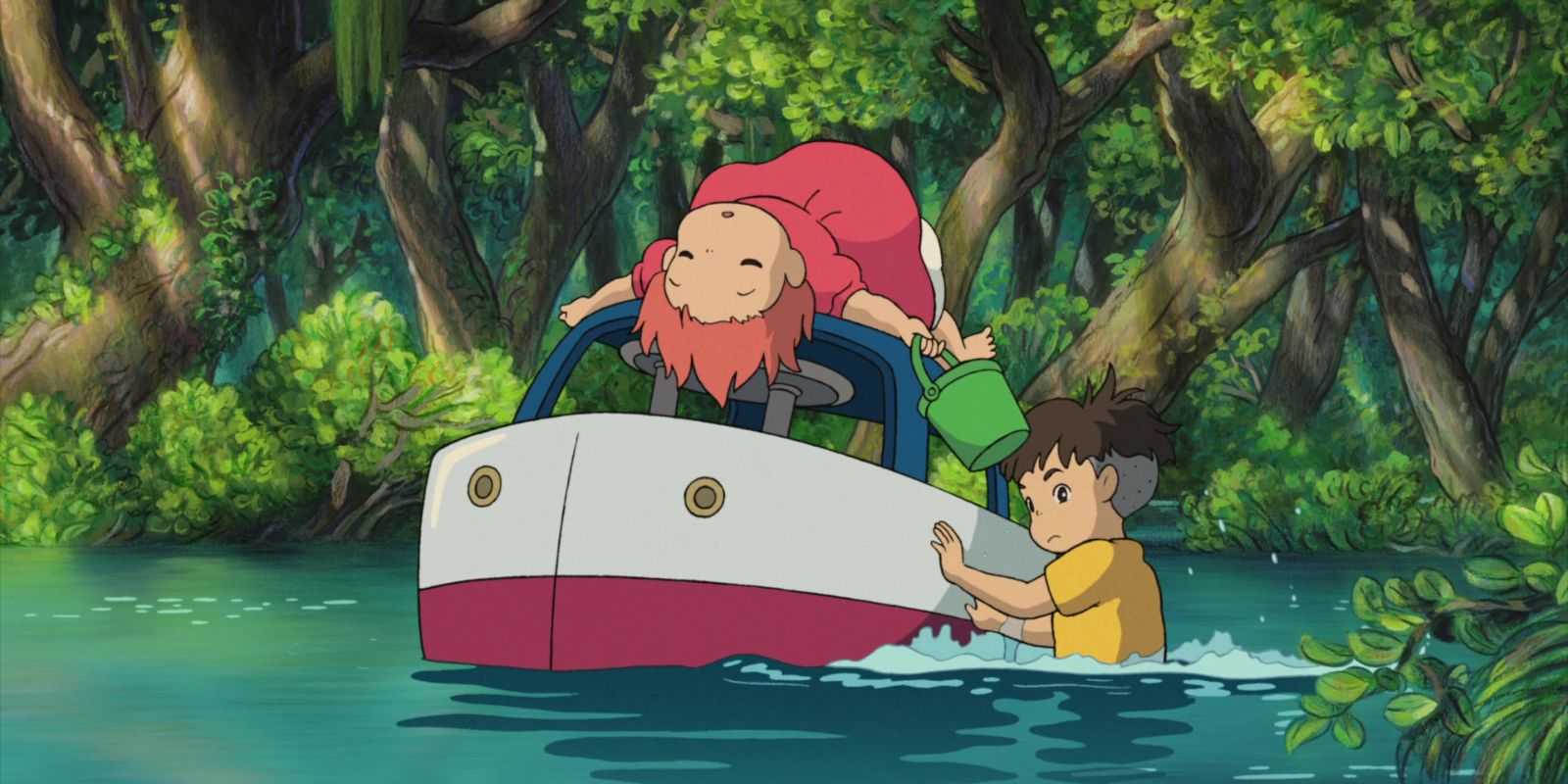
Ponyo tells the charming tale of a magical fish-girl who dreams of becoming human. The film’s strength lies in its warmth and childlike wonder. The bond between Ponyo and Sōsuke feels genuine and simple, and the story never talks down to its audience. The ending is more dreamlike than a traditional resolution, which fits the film’s tone perfectly. It conveys themes of love, trust, and nature in a gentle, meandering way that is easy to understand.
Ponyo proves that strong writing can come from mood and clear character emotions, even without a tightly structured plot.
The Cat Returns Is a Light and Clever Fantasy Tale
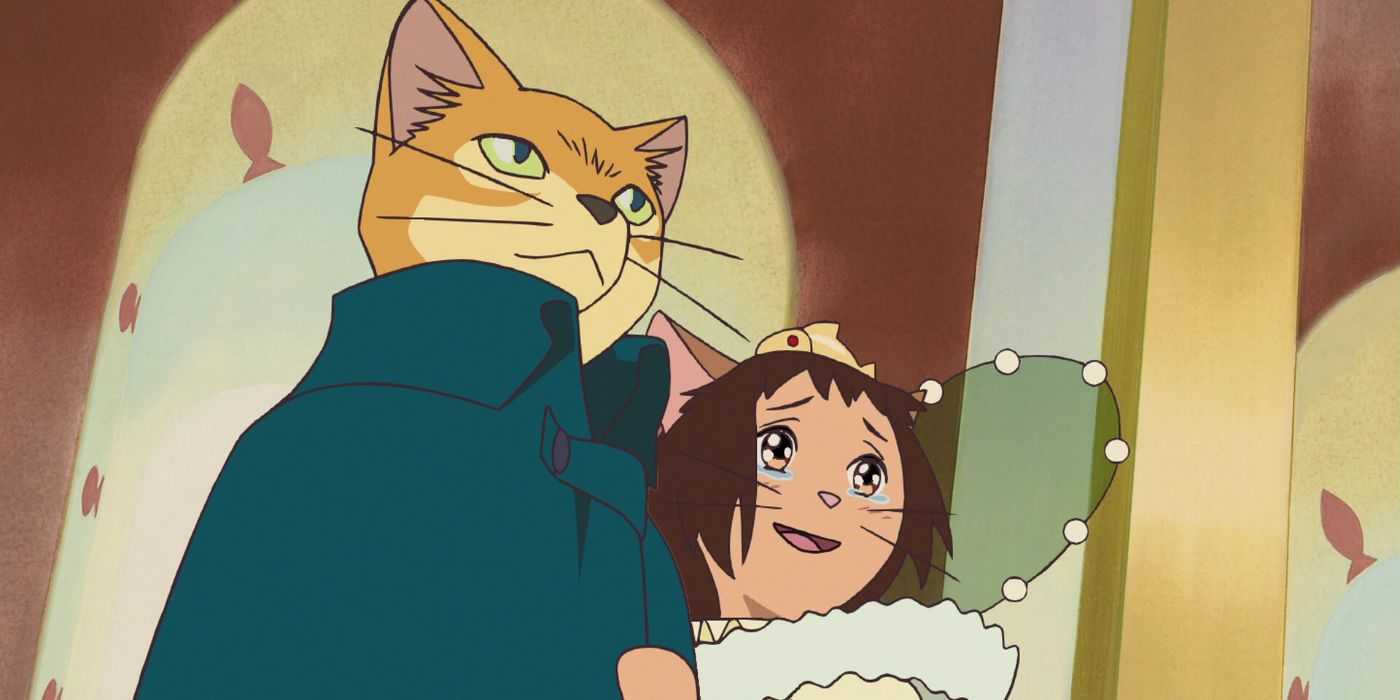
The Cat Returns follows Haru, a girl pulled into a strange cat kingdom. The writing is quick and clear, with strong pacing and a steady flow of new challenges. Haru’s choices matter, and each scene moves the story forward. The film’s biggest strength is its fun tone, using humor and surprise without losing focus on its main goal.
While the film may not be as deep as some of Ghibli’s classics, the writing is clean and focused. The side characters, especially Baron, add charm without overshadowing the main narrative. The Cat Returns is a great example of how a simple story can still feel complete and satisfying.
Porco Rosso Uses Sharp Dialogue to Hide Deep Pain in a Sharp Critique of Fascism
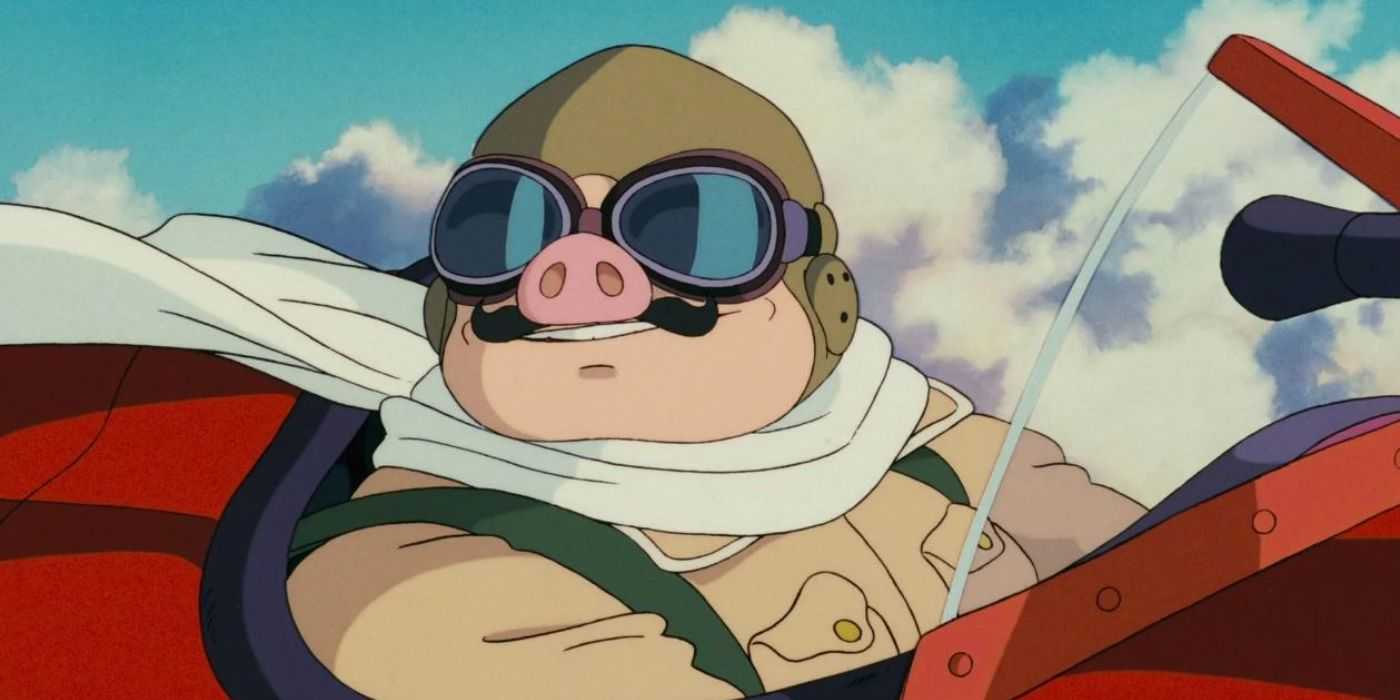
Porco Rosso follows a pilot cursed to look like a pig, living between wars and lost dreams. The writing stands out through sharp dialogue. Many lines are short, funny, or tough, yet they hint at deeper sadness underneath. Porco’s silence often says more than words ever could. The plot is simple on purpose, but the script is layered with meaning.
The story blends action and comedy with themes of guilt and the cost of violence. Fio, the young engineer, is written as capable and brave, not just a helper. Porco Rosso feels more like a character portrait than a tight plot machine, with some story beats drifting but the emotional logic remaining strong.
Kiki’s Delivery Service Makes a Big Journey Out of a Small Problem
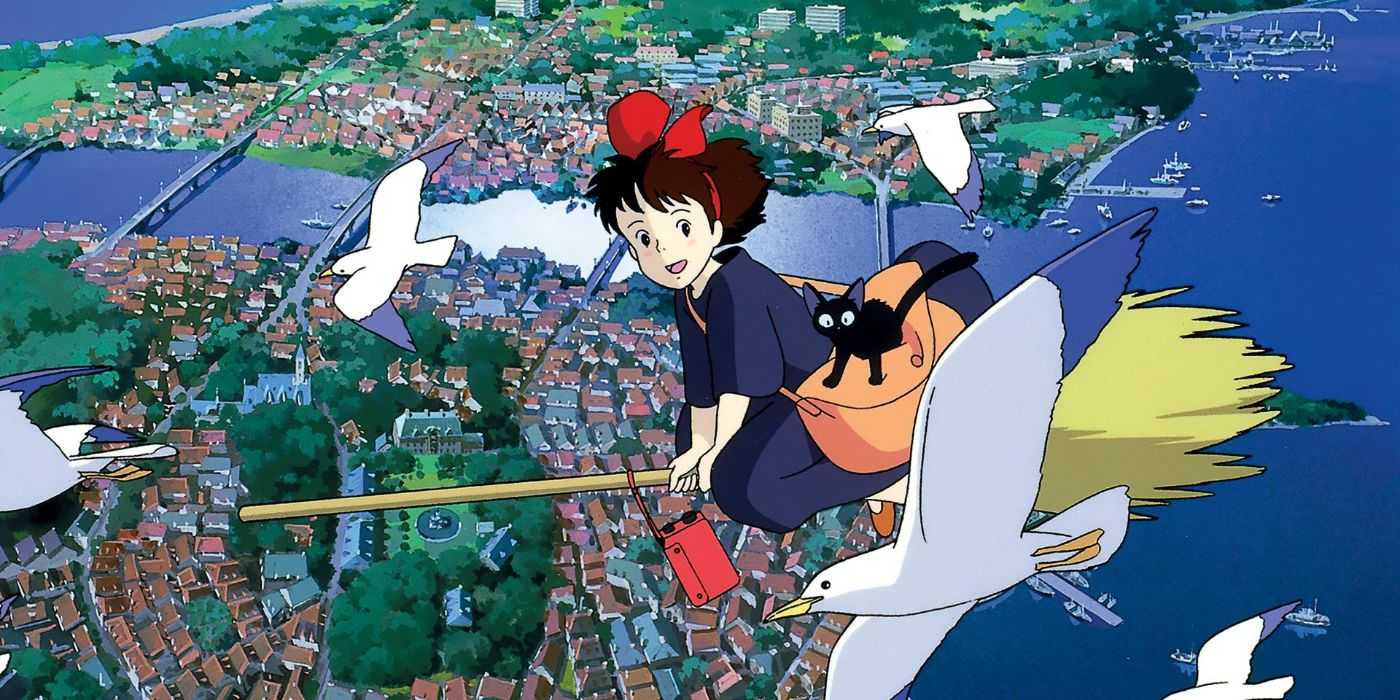
Kiki’s Delivery Service is about a young witch learning independence in a new city. The writing is strong because it treats everyday struggles as real challenges. Kiki does not fight a villain; instead, her conflict comes from feeling tired and out of place. The script builds growth through small scenes, making her changes feel earned.
Friends like Osono and Ursula guide Kiki without controlling her. The writing is clear, patient, and emotionally honest. Kiki’s Delivery Service shows how a simple coming-of-age story can hit hard through careful character work.
My Neighbor Totoro Finds Meaning in Ordinary Life
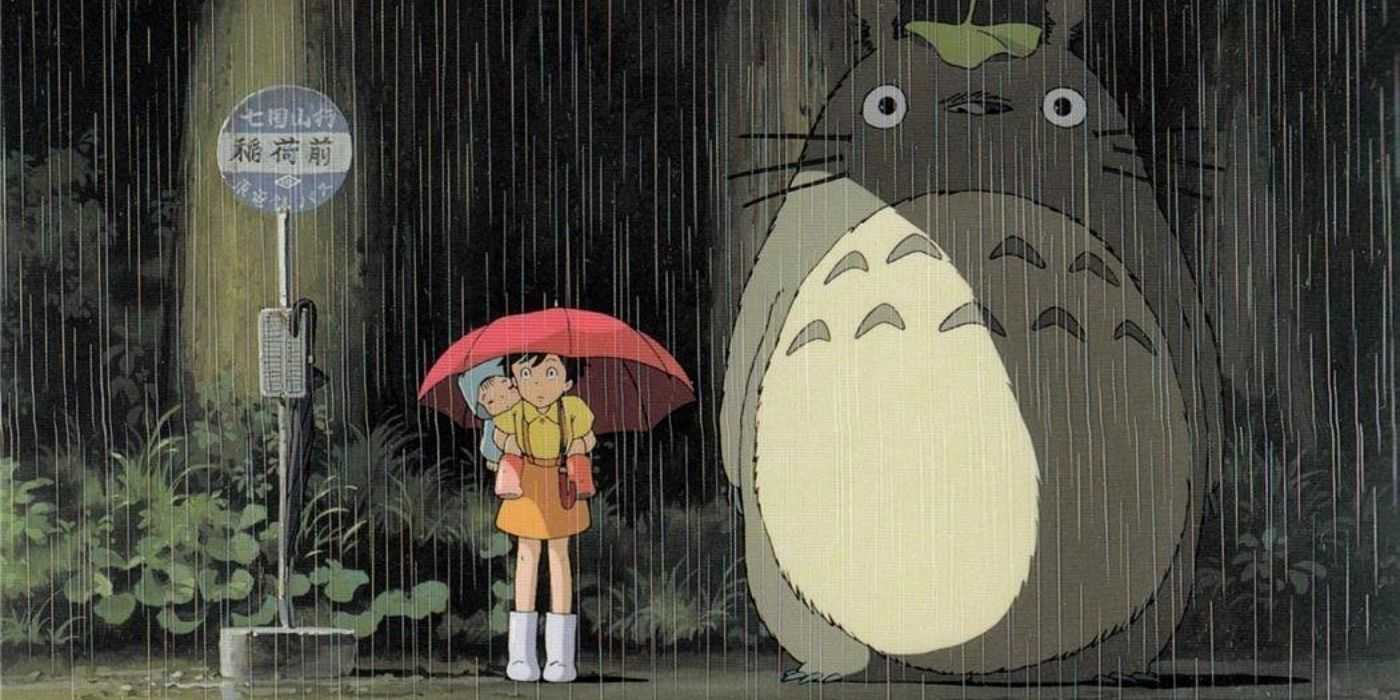
My Neighbor Totoro is famous for its calm pace, and the writing is a big reason it works. The story follows two sisters moving to the countryside while their mother is sick. The script captures how children understand fear and hope, often without the right words. There is no traditional plot twist, but the film still feels complete.
Each scene builds the family’s world, showing love through daily routines. Totoro and the other spirits are written like symbols of comfort, not puzzles to solve. This is a story more about feeling than change, with quiet growth and careful handling of a difficult topic.
Whisper of the Heart Nails the Voice of Growing Up
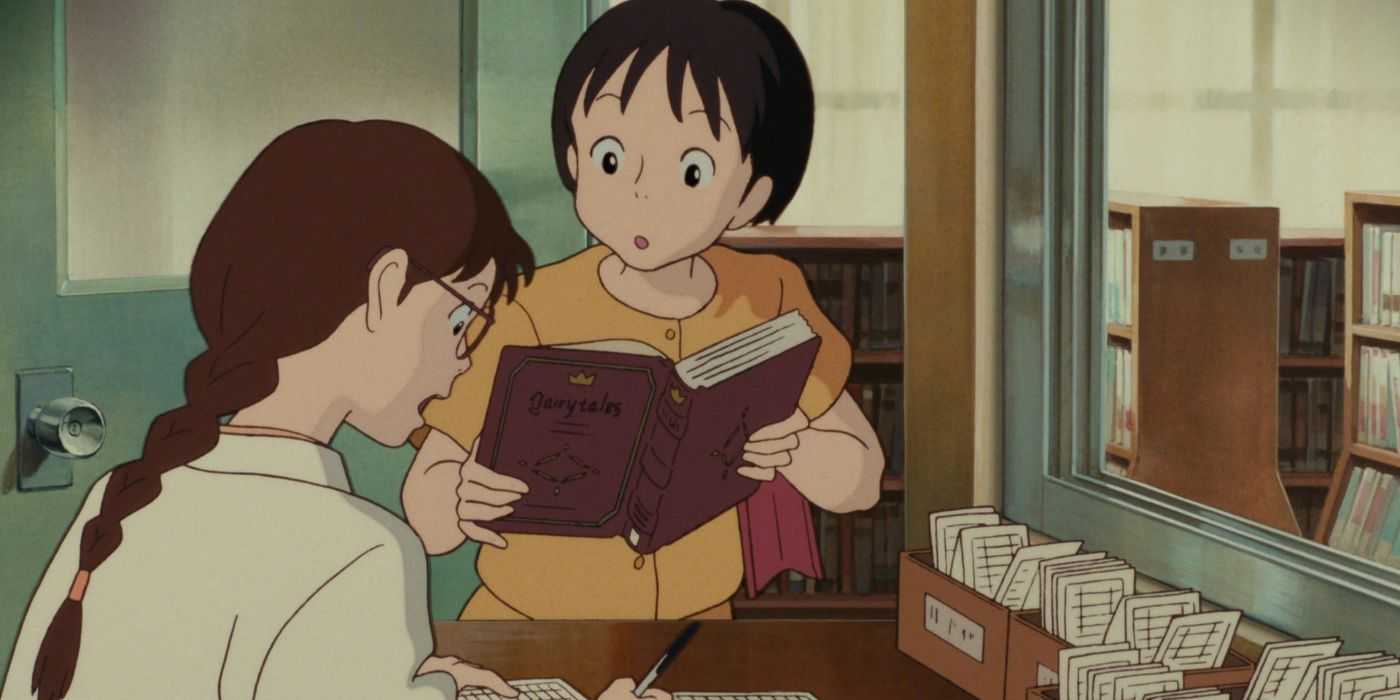
Whisper of the Heart tells the story of Shizuku, a girl who wants to be a writer but isn’t sure if she has what it takes. The script is one of Ghibli’s best for its realism. The characters talk and act like real teenagers, and the romance is based on common goals rather than just cute moments.
Seiji’s dream pushes Shizuku to face her own, and the story respects both of them. The film never rushes the emotions, and every scene builds Shizuku’s journey toward self-belief. The story avoids easy lessons by showing that talent takes work and that doubt can be part of growth.
The Wind Rises Shows a Complicated Life With Clear Focus
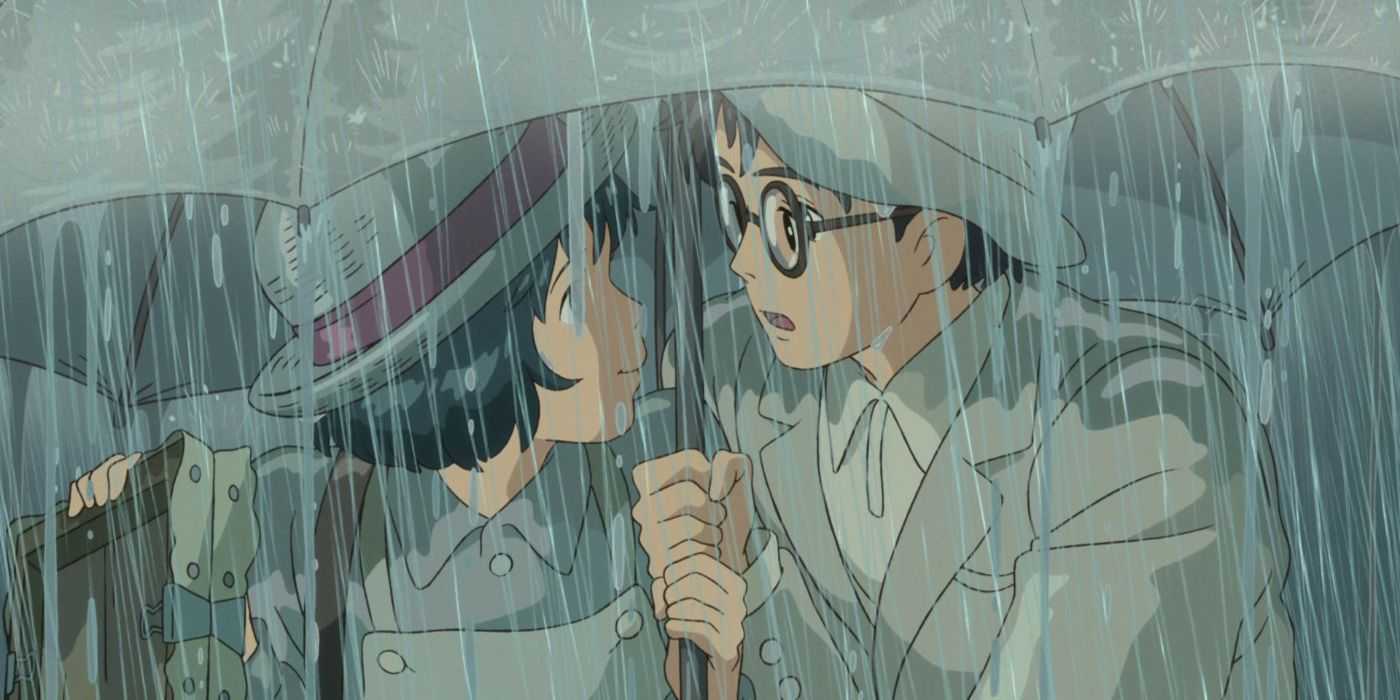
The Wind Rises follows Jirō Horikoshi, a plane designer chasing beauty in his work during a dangerous era. The writing is mature and controlled, staying centered on building something beautiful that may be used for harm. The script balances dreams, love, and history without becoming confusing.
Jirō’s romance with Nahoko is written with quiet tenderness, and their time together feels precious. The film also shows work life in a detailed way, making small choices feel important. Some viewers may disagree with its focus, but it does not avoid moral conflict.
Princess Mononoke Builds a Messy World With No Clear Villains
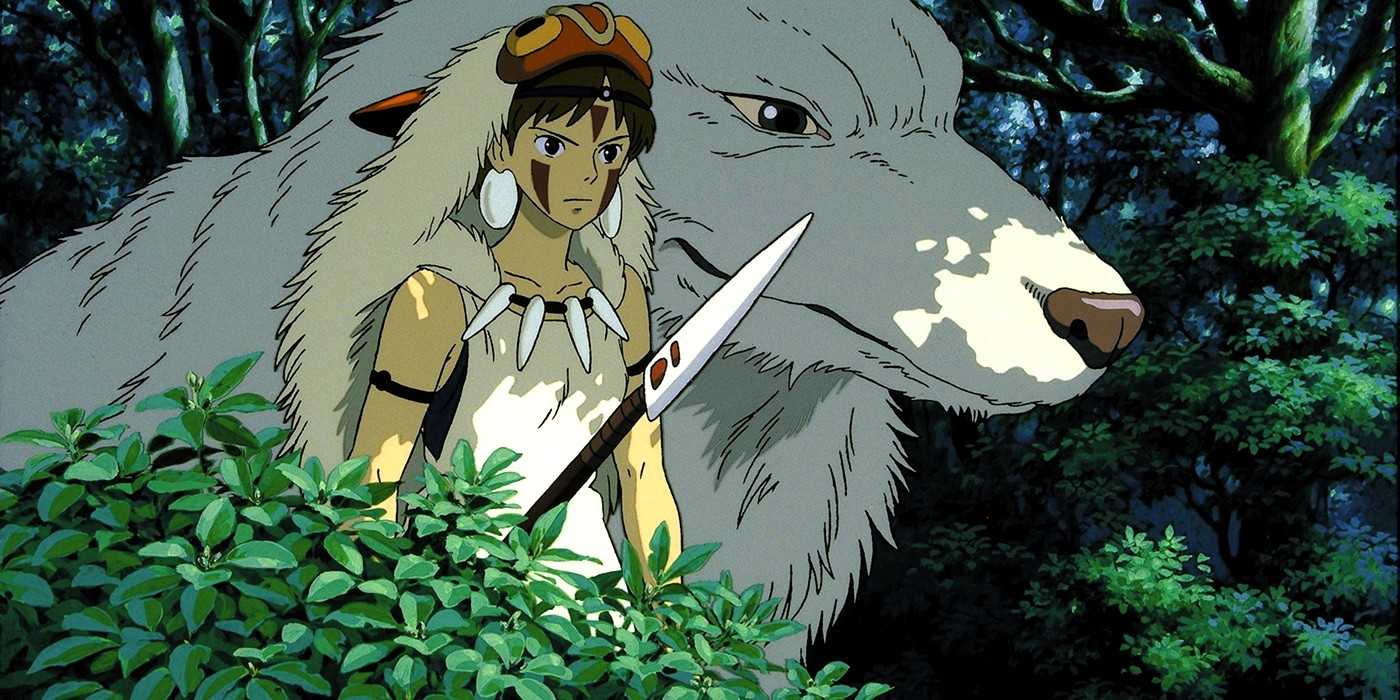
Princess Mononoke is one of Ghibli’s strongest scripts because it handles a complex conflict with fairness. The story follows Ashitaka, caught between forest spirits and humans who are building a new future. The writing refuses to pick a simple side, ensuring there are no true villains on any side of the conflict.
San fights for nature, but her anger can also be destructive. The script gives every major character a reason to act, even when those actions cause pain. The pacing is tight for such a big story, with each event pushing the conflict forward and the stakes growing without random twists.
Grave of the Fireflies Is a Tragedy Written With Brutal Honesty
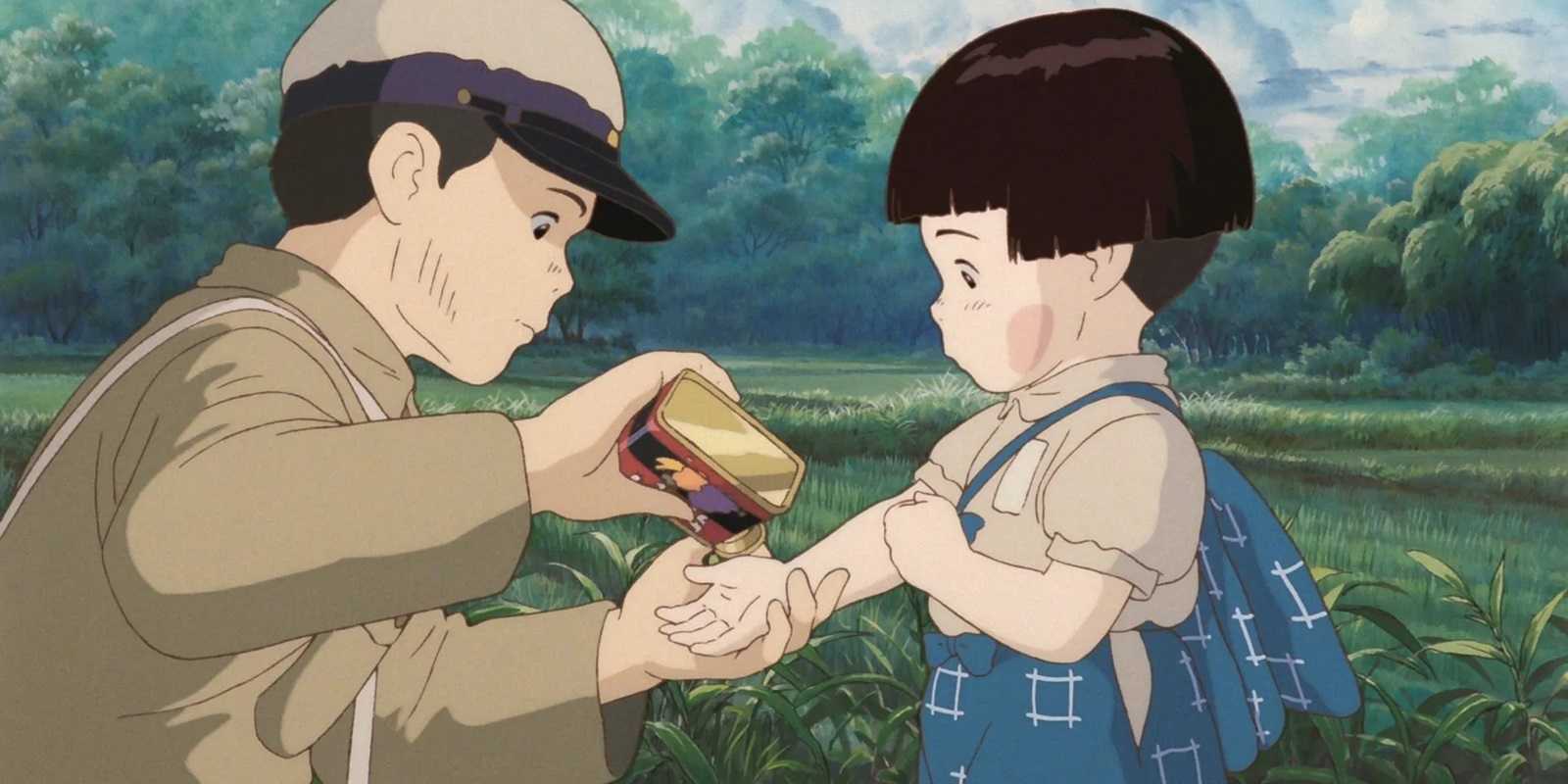
Grave of the Fireflies is a war story about two siblings trying to survive after their home is destroyed. The writing is direct and heartbreaking. The film does not use big speeches to explain war; instead, it shows how small needs become impossible. The script makes the tragedy feel personal, with the cold reactions of adults creating a painful chain of events.
Nothing feels forced, and every loss happens as a result of a real choice or limit. This film’s writing is almost flawless in focus and impact. The story stays with its theme from start to end, never trying to soften the truth.
Spirited Away Has Perfect Structure and Deep Character Growth
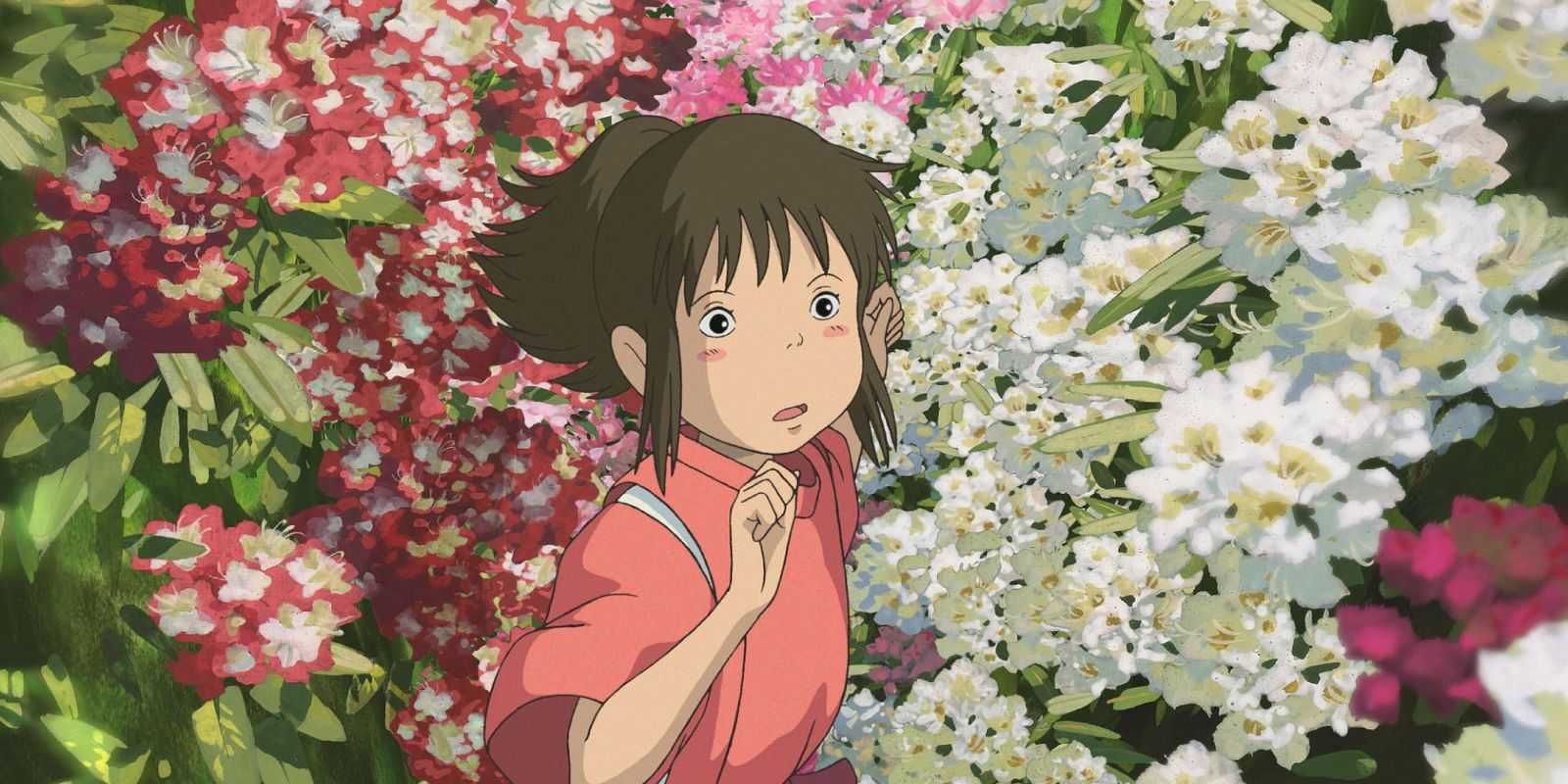
Spirited Away is considered one of Studio Ghibli’s most well-written films for its mix of fantasy and character transformation. Chihiro’s character develops from being a frightened and helpless girl to a responsible individual. Every task she performs at the spirit bath house teaches her something important.
The world is strange, yet the story stays easy to follow. Every character has a purpose. Haku connects to Chihiro’s past, No-Face shows how loneliness can turn harmful, and Yubaba represents control and greed. The plot moves like a steady climb, with rising danger and a strong payoff. The film explains little, but everything makes sense through action and emotion. Spirited Away ranks first because it blends imagination and character in a script that feels rich and timeless.