
KUALA LUMPUR, 31 Disember — Bagi ramai ibu bapa Malaysia, idea mempersiapkan anak-anak mereka untuk masa depan semakin terasa mendesak. Dunia kerja sedang berubah dengan pantas, dan kerjaya yang dulu dianggap stabil kini sedang diubahsuai oleh automasi dan kecerdasan buatan. Laporan Julai 2025 daripada ISIS Malaysia dan Bank Dunia menganggarkan bahawa 4.2 juta pekerja Malaysia, hampir 28 peratus daripada tenaga buruh, sangat terdedah kepada penggantian tugas oleh AI generatif. Sebanyak 2.5 juta lagi berada dalam kategori paparan sederhana-tinggi. Ini bermakna hampir 45 peratus tenaga buruh mempunyai sekurang-kurangnya 40 peratus tugas mereka yang boleh automatik.
It serves as a reminder that has transformed how families approach education. A qualification remains significant, yet nowadays it is just a single element within a broader context. The key now is whether young individuals are developing the appropriate combination of technical, analytical, and people-oriented skills that employers are increasingly depending on.
A fresh period of capabilities and adaptability
Employers throughout Malaysia are changing their requirements, particularly in areas such as digital marketing, data analysis, user experience and design, financial technology, sustainability, and business change. Organizations are seeking graduates who can analyze issues effectively, come up with innovative solutions, and integrate well with smart technologies. The capacity to work alongside AI tools instead of opposing them has emerged as a key element in being employable.
The strength of skill-based portfolios
This has led to an increasing focus on something that many parents were not familiar with—skills portfolios. These portfolios highlight short courses, micro-credentials, real-world projects, internships, and practical learning experiences that illustrate what a student is truly capable of. They provide employers with a clear understanding of adaptability, practical skills, and preparedness for rapidly evolving job markets.
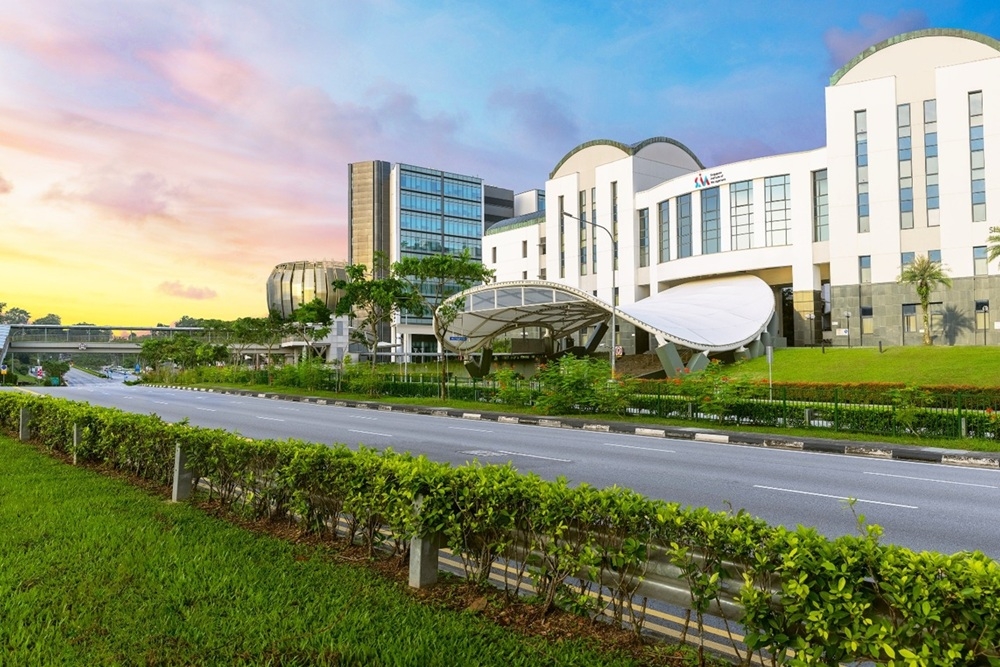
Institutions that provide significant industry experience and practical learning have gained more popularity among Malaysian families. An example is SIM Global Education (SIM GE), recognized for its collaborations with global universities and offering students opportunities to engage in real-world projects, career guidance, and micro-credentialing routes. It goes beyond obtaining a degree; it focuses on developing graduates who can adapt as the world changes.
Embracing global exposure
Numerous Malaysian students continue to aspire to study overseas, yet contemporary families are increasingly concerned about whether the experience will truly equip their children for future careers. They seek educational settings that foster self-assurance, autonomy, and a worldwide outlook.
SIM GE’s setting has attracted numerous Malaysian students for this very reason. The campus atmosphere is diverse and secure, allowing students to remain near their families while exploring a broader educational landscape. It provides a harmony that reassures parents and enables students to transition into adulthood with the perfect mix of experience and guidance.
The results usually speak for themselves. Consider Gwen Teh Jia Rou, who is now an Audit Manager at KPMG Singapore. She remembers how her period at SIM influenced her self-assurance: “Learning at SIM provided me with more than just a qualification. With AI changing the employment landscape, companies are placing greater importance on hands-on experience and a solid set of abilities. SIM’s career guidance, training sessions, and real-world project chances helped me gain both technical and interpersonal skills, enabling me to adjust with assurance and move ahead in my profession.”
Narratives similar to Gwen’s illustrate the aspirations of numerous Malaysian families. It’s not solely about academic achievement, but rather a route that enables their children to develop into competent, self-assured individuals possessing skills that remain irreplaceable by technology.
For parents or students in Malaysia seeking to learn how skill coaching, internships, and micro-credentials can enhance future job prospects, additional details can be found via SIM’sCareerConnect channels and Micro-Credentials offerings.