
Outline:
Casey De Farria was in the middle of a normal day with her then-four-year-old daughter when an unexpected and terrifying situation unfolded. The Sydney-based mother of two had been playing with her child using a toy doll that changed color when placed in a bowl of iced water. However, what started as a fun activity quickly turned into a life-threatening emergency.
The girl accidentally popped an ice cube into her mouth and, at the same time, tilted her head back. This action caused the ice cube to slide down her throat, resulting in a complete airway obstruction. Casey described the moment as completely silent, with her daughter unable to breathe.
Despite the panic, Casey remained calm, drawing on her CPR and first aid training. She explained that she focused on reassuring her daughter while trying to deliver back blows. However, the child’s movement made it difficult to administer the technique effectively.

Casey delivered five sharp back blows between her daughter’s shoulder blades using the heel of her palm. At the same time, she kept her mind alert, knowing that if the initial attempts failed, she would need to call Triple Zero (emergency services). She emphasized the importance of quick action, as any delay could have led to unconsciousness.
Thankfully, after the fifth back blow, the ice cube was dislodged, causing the girl to vomit. Both Casey and her daughter were visibly distressed, but she managed to stay composed. She expressed immense gratitude for the outcome, highlighting how crucial it was that she recognized the situation and knew how to respond.
Before this incident, Casey never considered ice cubes as a choking hazard. She believed that the size of the ice cubes was too large to pose a risk and assumed they would have melted slightly in the water. However, the experience taught her a valuable lesson about the dangers that can arise from everyday items.
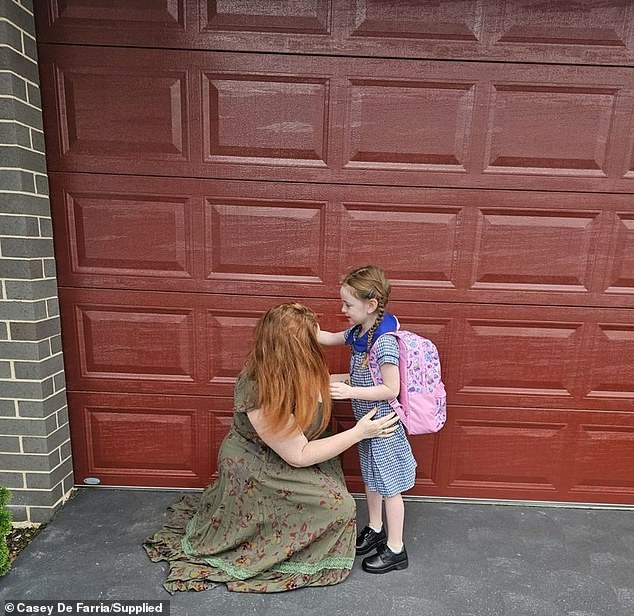
She now ensures that her children only consume crushed or broken ice, and it took some time before she felt comfortable allowing them to have ice in their drinks again. The incident occurred in early 2023, but Casey continues to share her story each year to raise awareness among other parents.
When she first shared her experience, some parents questioned whether the ice would simply melt. Casey clarified that while melting is possible, acting quickly is essential in such emergencies. Every second counts, and being prepared can make all the difference.
Her story resonated with many parents who had never realized the potential danger of ice cubes. Nurses from CPR Kids advise parents to avoid giving young children whole ice cubes, as they can cause a complete airway blockage. They emphasize the importance of knowing how to respond in an emergency, as confidence and skills are critical when seconds matter.
How to Perform Back Blows on Children
For infants under one year old:
– Place the infant face down across your knees, with their head lower than their chest.
– Hold the infant securely with one hand.
For older children:
– If the child is able to sit, have them lean forward.
– If not, lay them on their side on the floor in the recovery position.
Once properly positioned:
– Deliver five sharp back blows using the heel of your hand between the shoulder blades.
If the back blows do not clear the obstruction:
– Turn the infant onto their back. For an older child lying down, also turn them onto their back.
– Give five chest thrusts using two fingers for an infant or the heel of your hand for a child. Keep your hand in contact with the chest at all times.
– Position your hand or fingers over the same area used for CPR compressions (the lower half of the sternum).
Continue alternating between five back blows and five chest thrusts until help arrives.