
When discussing Marvel or comic books in general, it’s impossible to overlook Jack Kirby. Very few creators have influenced an entire industry as significantly as he did. Referred to as “The King,” Kirby was not just a highly productive artist; he was a genuine pioneer who transformed the influence superheroes could exert on popular culture.
Kirby spent his childhood immersed in pulp fiction, myths, and science fiction while living in New York City. Coming from a working-class background, he was eager to break free from his tough urban environment at an early stage. He learned to draw by copying the illustrations from his favorite books. Following a rejection from the Educational Alliance due to “drawing too quickly with charcoal,” he discovered a place for his artistic talents, creating cartoons for the newspaper of the Boys Brotherhood Republic (a youth group).
Kirby spent a week at the Pratt Institute located in Brooklyn, yet he quickly realized it wasn’t where he belonged.
“I didn’t fit the type of student Pratt was seeking,” Kirby mentioned in a 1990 interview withThe Comics JournalThey were looking for individuals who would dedicate themselves to a task indefinitely. I didn’t wish to be involved in any project permanently. My goal was to complete tasks efficiently.
He entered the comics industry through Eisner & Iger, a company that produced comic books. A few years later, he co-createdCaptain America for Timely Comics (Later Marvel). The comic achieved great success, selling out within days. He worked for a while at National (later DC Comics) before being called to serve in WWII, his experience as a soldier influencing his future creations.
Kirby’s actual ascent to greatness occurred in the 1960s atMarvel Comics, where his collaboration with Stan Lee gave rise to what is now recognized as the Marvel Universe. By working together, they revolutionized the comic industry by introducing characters that defied the conventional superhero archetype. The Fantastic Four argued like an actual family, the X-Men were all individuals facing challenges as outsiders, the Hulk was a sorrowful character fueled by anger, and Thor drew inspiration from ancient mythology.
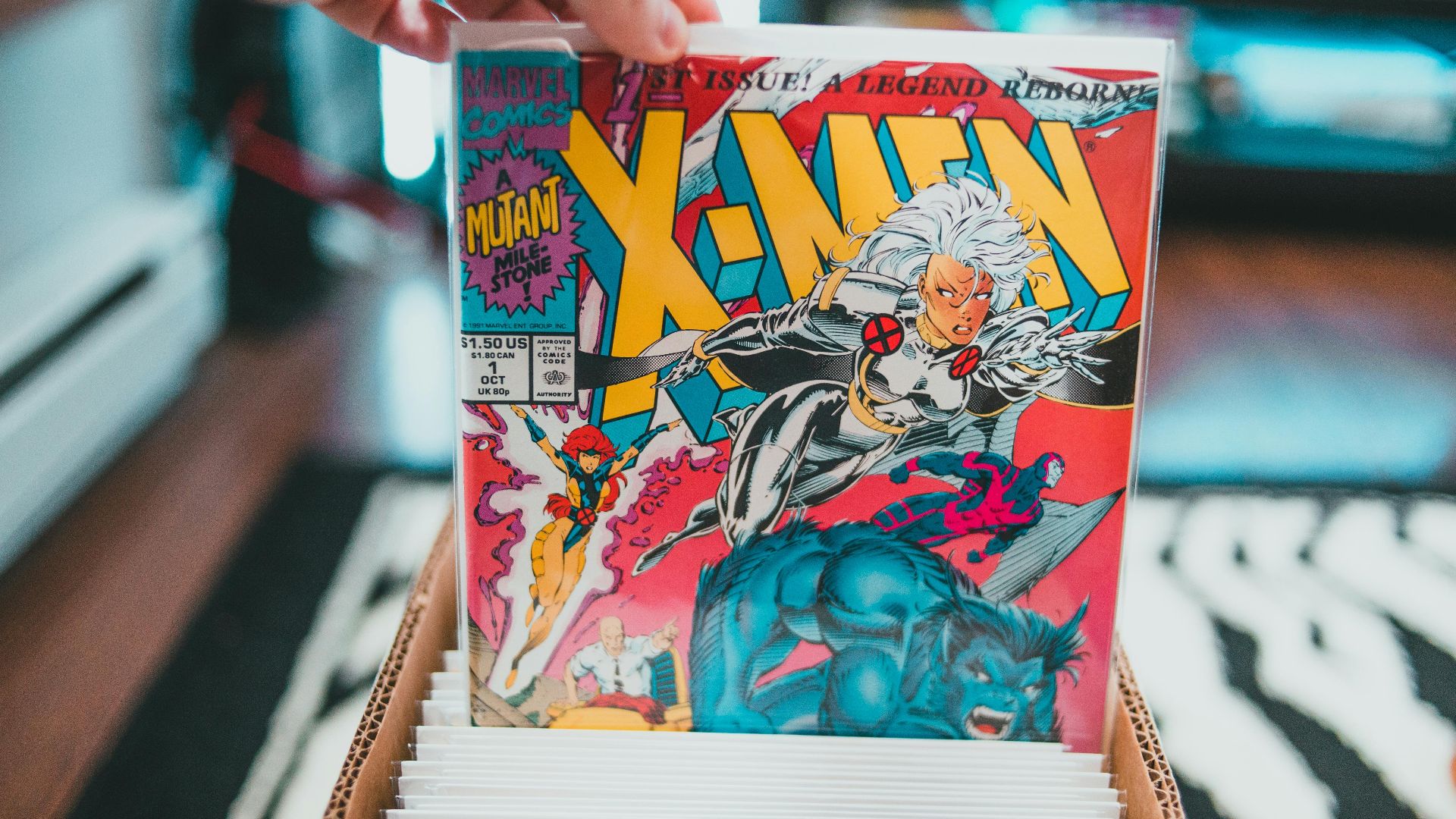
Lee contributed the dialogue, while Kirby gave the worlds a vivid existence through his distinctive artistic style. He essentially established the visual identity of modern superhero action. His renowned “Kirby Krackle—groups of dark spots symbolizing celestial energy or detonations—transformed into an artistic standard.
Although he made significant contributions, Kirby struggled throughout his life to gain recognition and ownership. His earnings as an artist following World War II were so minimal that he would work between 12 to 14 hours each day. For many years, his involvement with Marvel was minimized while Lee’s was highlighted. Nevertheless, history has gradually addressed this imbalance. As time passed, artists, writers, and filmmakers began to recognize that the Marvel universe would not be what it is without him. Nowadays, Kirby’s name is just as revered as Lee’s within the comic industry and popular culture.
Jack Kirby’s title of “The King” at Marvel is not exaggerated; it is a well-deserved recognition. His creations combined deep feelings with creative advancement. His contributions left a lasting impact on the field and still motivates and encourages visual artists today.