
Outline:
Several scientific breakthroughs have significantly influenced the development of human history, none more so than the theory that diseases originate from microorganisms. This concept, now widely recognized as the germ theory, revolutionized medical practice, shifting it from traditional beliefs to a system grounded in evidence-based scientific research for preventing, diagnosing, and treating illnesses. The germ theory of disease refers to a hypothesis or theory suggesting that germs, particularly microorganisms, also referred to as pathogens, are responsible for causing infections in other animals, plants, and microorganisms.
This encompasses bacterial infections, as well as viral, fungal, protist, prion, and viroid infections. Pathogens are a category of microorganisms that enter a host and lead to illness. As they replicate and spread inside their hosts, pathogens are responsible for numerous infectious diseases. While the seriousness of these illnesses can be influenced by various environmental or genetic factors, recognizing the organisms that cause diseases has been one of the most significant achievements in science, medicine, and public health, saving countless lives and greatly transforming the world.
Germ Theory
Theories regarding the origin of diseases caused by invisible, living entities have a long past, even prior to the development of the microscope. In 1546, Girolamo Fracastoro wrote the bookDe contagion and contagious diseases and their treatment, and suggested that contagion could be due to minute, imperceptible particles or seeds. In 1762, the Bohemian botanist and physiologist Marcus von Plenciz built upon Fracastoro’s concept by proposing that illness was transmitted by invisible living organisms. The miasma theory of disease, supported by Galen, was prevalent in European medical thinking for many years, where illness was believed to originate from the pollution of the air.
Golden Era of Bacteriology
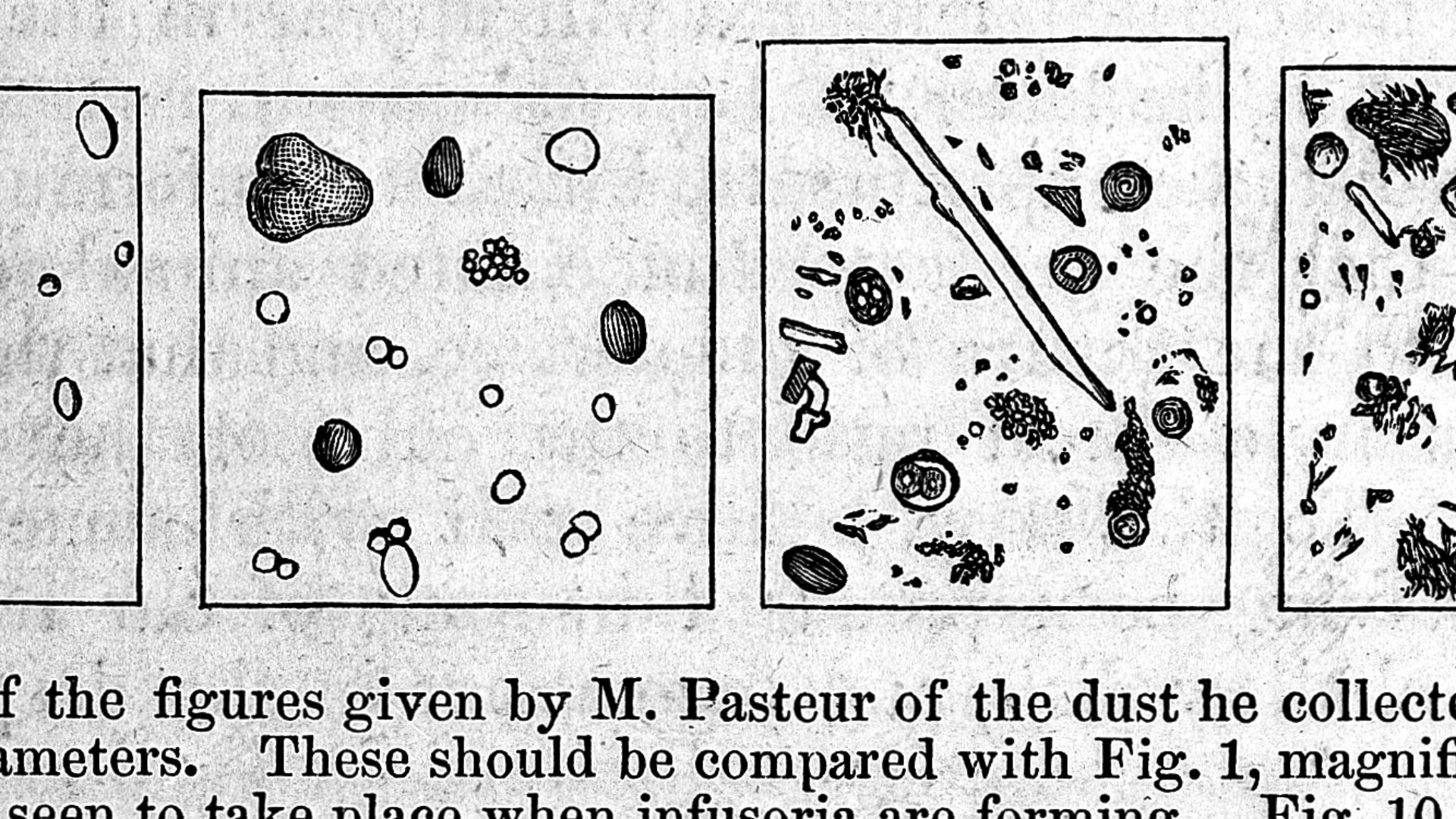
The concept of germ theory was initially introduced in a practical manner during the mid-1800s by Louis Pasteur. Pasteur conducted experiments to determine the reasons behind fermentation and the spoilage of food and drinks, demonstrating that these were caused by microorganisms. He presented strong evidence showing that microscopic living organisms could influence larger life forms, paving the way for understanding how pathogens lead to illness. Pasteur’s work and findings provided the foundation for what is now referred to as the germ theory. Since then, germ theory has resulted in the extensive application of hygiene practices, sterilization, and pasteurization of food, all of which significantly decreased the occurrence of infections.
During the 1880s, Robert Koch successfully identified the particular bacteria responsible for illnesses like anthrax, tuberculosis, and cholera. His postulates were recognized as the standard approach to connect specific germs with specific ailments, offering medicine a reliable way to establish the origin of a disease. By the end of the 1880s, the miasma theory was discarded in favor of a scientific perspective on how diseases are transmitted.
In the 1890s, a new category of disease-causing agents, smaller than bacteria known as viruses, were identified. The germ theory was subsequently broadened to encompass these minute pathogens. By the close of the 19th century, the germ theory gained widespread acceptance and served as a foundation for the quick identification of the organisms responsible for numerous diseases. The creation of vaccines, antiseptics, and antibiotics soon emerged. The insights and discoveries from germ theory transformed hospital procedures, public health strategies, and sanitation practices.